Simplicity in fashion is often mistaken for absence. In reality, it is subtraction with discipline. Removing excess demands confidence. Every remaining element must justify its presence. A well cut blazer. A monochrome palette. Clean lines that follow natural proportion. These choices create visual clarity. There is no distraction. The eye rests easily.
Simplicity is not sterile. It is selective. A single detail placed with intention can carry more impact than layers of decoration. A precise cuff. A structured shoulder. A defined waistline. When design is edited carefully, energy concentrates rather than disperses. The garment feels purposeful.
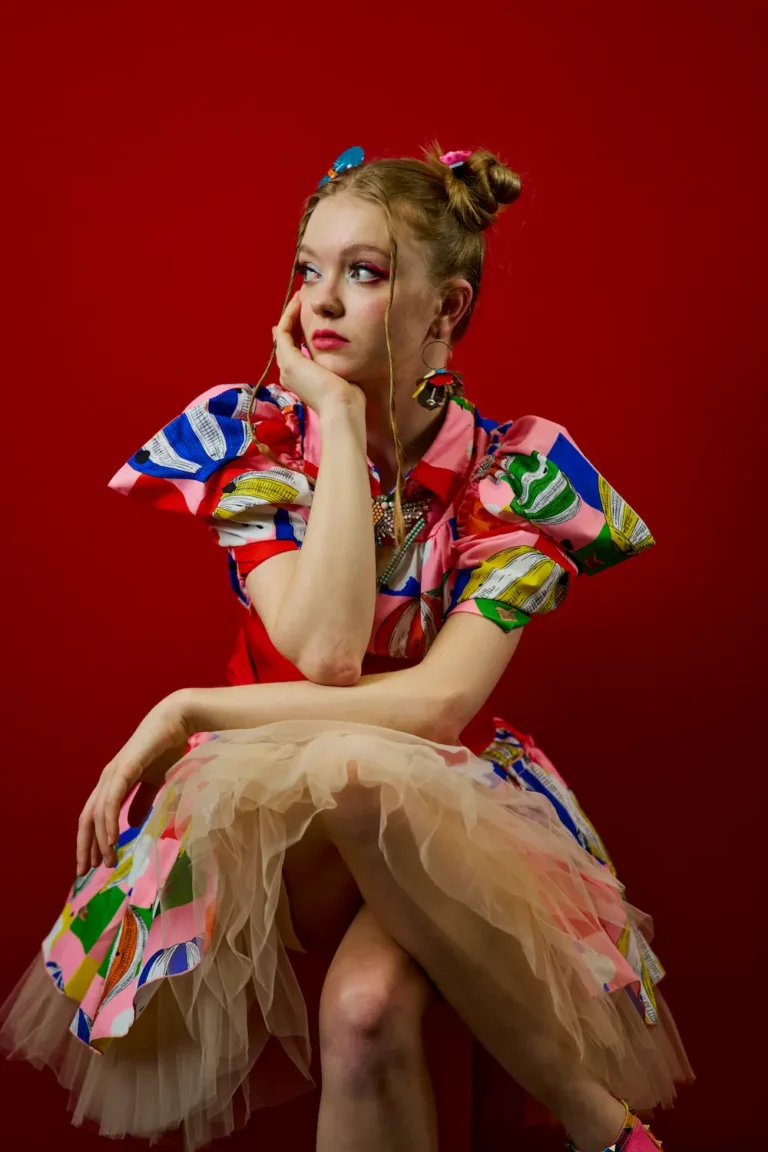
Poise extends this clarity into movement. Clothing alone cannot create authority. It frames it. Poise appears in posture, in the rhythm of steps, in the way someone enters and exits a space. A vigorous aesthetic depends on this embodiment. A sharp silhouette loses impact if carried hesitantly. A simple look becomes powerful when worn with composure.
Demeanor transforms design into presence. Standing tall without stiffness. Moving fluidly without collapse. Holding eye contact without force. These subtleties amplify style. Fashion becomes an extension of behavior rather than a costume layered on top.
Effortless charm is often misunderstood as natural ease without intention. In truth, it is cultivated alignment. When someone understands proportion, texture, and timing, their styling appears instinctive. The effort is invisible because it has been internalized. Vigorous aesthetics rely on this invisibility. The viewer senses coherence rather than construction.
Fabric selection plays a central role. Structured wool sharpens silhouette. Crisp cotton reinforces line. Matte textures emphasize form. Even softer materials can convey strength when cut precisely. The vigor lies not in thickness or boldness, but in decisiveness.
Color restraint enhances this effect. Neutral palettes allow silhouette to dominate. Deep monochromes convey quiet confidence. When brighter shades are introduced, they are framed by balance. Contrast is controlled rather than chaotic. Simplicity does not reject color. It manages it.
Movement reveals whether vigor is authentic. A structured coat should maintain integrity in motion. Trousers should elongate stride rather than restrict it. The body and garment must collaborate. When movement feels seamless, the aesthetic feels grounded.
In contemporary fashion, where visual overload is constant, vigorous aesthetics offer clarity. They reject unnecessary embellishment. They prioritize proportion. They value longevity over novelty. This approach does not resist innovation. It refines it.
There is also psychological strength in simplicity. A restrained wardrobe reduces distraction. It allows focus on interaction rather than adjustment. Confidence grows when clothing supports rather than competes with presence.
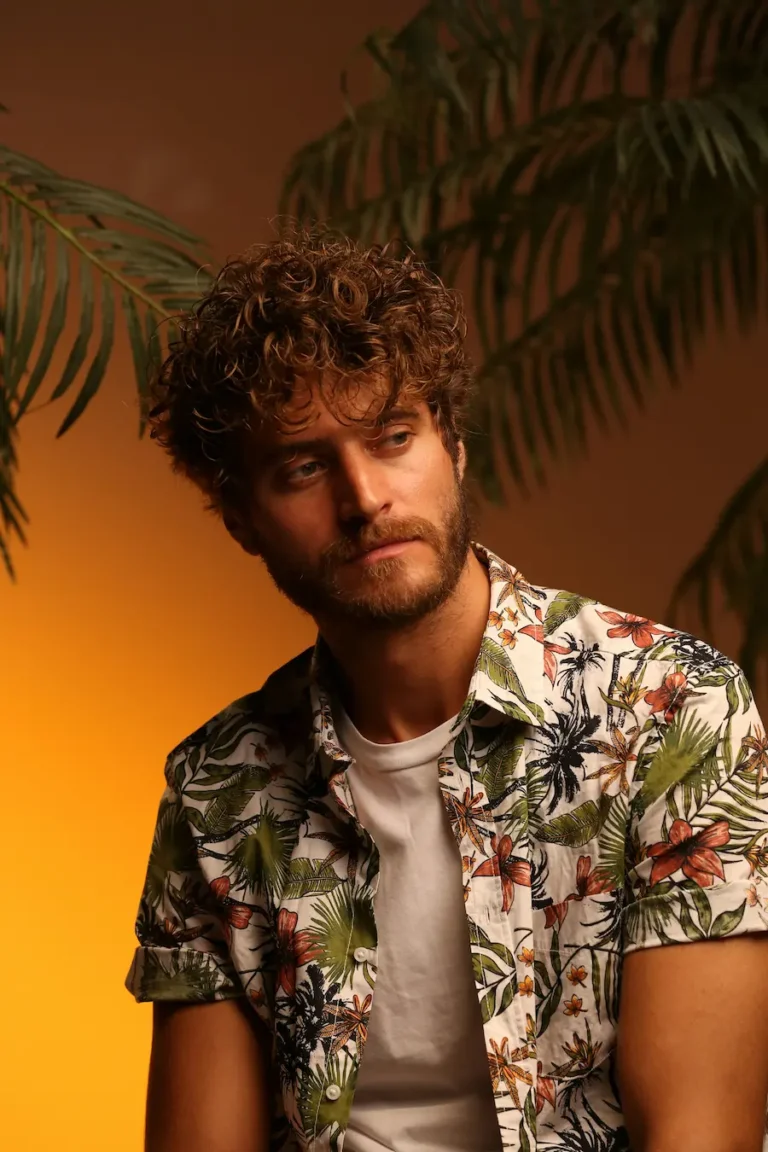
Importantly, vigor does not equal rigidity. Effortless charm introduces softness. A slight roll of a sleeve. A relaxed stance within structured tailoring. These nuances prevent severity. They humanize strength.
Ultimately, vigorous aesthetics balance control with ease. Simplicity creates clarity. Poise sustains authority. Effortless charm ensures warmth. Together, they form a style language that feels modern and enduring.
Fashion, at its most powerful, does not overwhelm. It communicates through intention. When silhouette is decisive, posture composed, and charm unforced, the result is not just visually strong. It is memorable.
Vigor, then, is not about intensity for its own sake. It is about disciplined energy. A quiet force that shapes perception without shouting. And in that balance, simplicity becomes powerful, poise becomes visible, and charm becomes inevitable.