There is a persistent myth that unity requires sameness. That harmony emerges only when differences are minimized. Yet in fashion, as in culture, sameness produces silence. Variety creates resonance. Unity through variety does not erase contrast. It allows contrast to coexist without hierarchy.
Fashion has always drawn strength from intersection. Traditional textiles reinterpreted in modern silhouettes. Street culture influencing luxury tailoring. Heritage craft meeting contemporary technology. When different references intersect, something dynamic happens. The result is not dilution but evolution.
Diversity in fashion begins at the design table. Who is sketching the silhouette. Who is selecting the fabric. Who is telling the story behind the collection. When perspectives expand, the language of design expands with them. Proportion shifts. Beauty standards widen. Color narratives become more layered. A single aesthetic no longer dominates the conversation.
But diversity is not only about creators. It is equally about representation. Clothing behaves differently on different bodies. A cut that flatters one frame may transform entirely on another. Recognizing this is not an adjustment. It is an acknowledgment of reality. When fashion embraces varied body types, it becomes more honest. It stops projecting a singular ideal and begins reflecting lived experience.
Unity through variety is visible in street style more than anywhere else. Urban spaces reveal fashion in its most authentic form. A vintage jacket layered over contemporary tailoring. Cultural garments styled alongside modern accessories. Personal histories woven into daily outfits. These combinations are not planned by trend forecasts. They are expressions of identity in motion.
There is also a social dimension. Diversity invites discomfort before it invites growth. New silhouettes challenge familiar proportions. Unfamiliar aesthetics disrupt expectations. Yet this friction is productive. It forces reexamination of inherited standards. It broadens taste rather than narrowing it.
In the past, fashion often operated through exclusivity. Certain aesthetics were centered while others were marginalized. Today, the shift toward inclusivity is reshaping the industry. Designers draw from global influences with greater awareness. Conversations about appropriation and appreciation demand accountability. Diversity is no longer decorative. It carries responsibility.
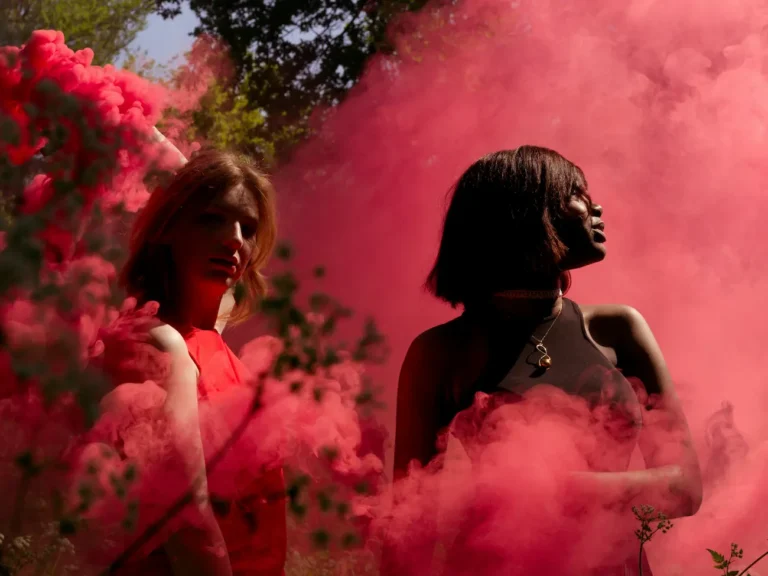
Unity does not mean blending everything into neutrality. It means holding difference with respect. A runway featuring varied identities does not fragment cohesion. It strengthens it. The collection gains depth because it is seen through multiple lenses. The narrative expands.
Variety also drives innovation. When contrasting perspectives interact, assumptions are questioned. Materials are used differently. Traditional craftsmanship intersects with new technology. Sustainable practices rooted in local knowledge gain global relevance. Diversity becomes a catalyst for progress rather than a symbolic gesture.
There is beauty in this multiplicity. Not a chaotic beauty, but a textured one. Layers of influence. Layers of meaning. When unity emerges from variety, it feels organic rather than imposed. It reflects how people actually live. Rarely confined to a single reference. Rarely defined by one influence alone.
On a personal level, embracing diversity in fashion allows individuals to explore identity without constraint. Style becomes less about fitting into an existing mold and more about assembling one’s own language. Mixing influences. Adapting silhouettes. Reinterpreting tradition. The wardrobe becomes a site of synthesis rather than conformity.
Ultimately, unity through variety mirrors the structure of culture itself. Distinct voices contributing to a shared rhythm. Different aesthetics coexisting within the same landscape. Fashion, when it embraces diversity fully, becomes a living archive of these interactions.
It stops presenting a single story and begins hosting many. And in that multiplicity, unity does not weaken. It strengthens. Because harmony is not the absence of difference. It is the decision to let difference exist without diminishing its value.