Every piece of clothing begins as an idea—often fragile, sometimes chaotic. A sketch is not just a technical draft; it is a conversation between imagination and possibility. The first lines are rarely perfect. They are gestures, explorations, attempts to translate something invisible into form.
In this early stage, fashion is pure. It is untouched by trends, untouched by the noise of the market. It lives in the designer’s instinct. The curve of a sleeve, the drop of a shoulder, the architecture of a seam—these decisions are not random. They carry references, moods, and unspoken narratives.
But the journey from sketch to wardrobe is where vision meets reality. Fabric enters the equation. Texture changes everything. A structured cotton commands presence; silk whispers movement. Material is not a passive choice—it reshapes the original idea. What was once bold might become soft. What felt minimal might demand detail. The garment evolves, not as a compromise, but as a refinement.
Then comes construction—the quiet engineering behind beauty. Patterns are cut. Measurements are tested. Adjustments are made. This is where creativity collaborates with precision. Where artistry accepts discipline.
And finally, the wardrobe.
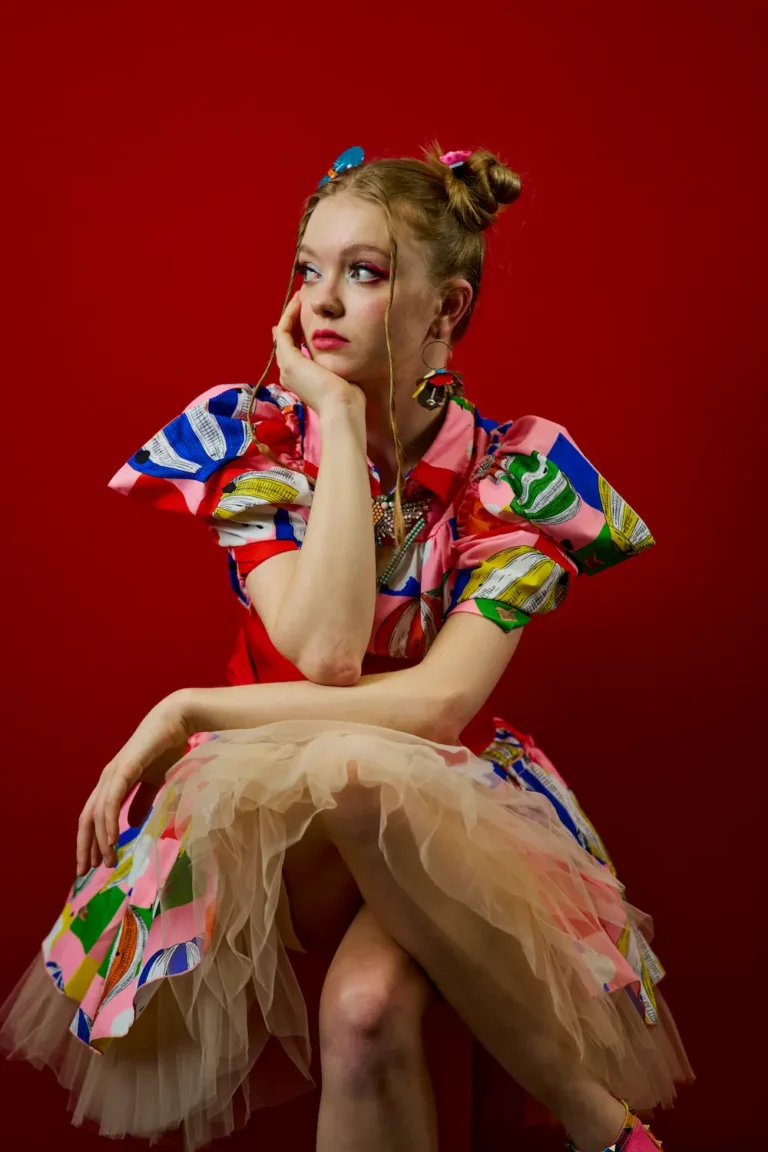
A garment hanging in a closet is never just a finished product. It waits for context. It waits for a body, a mood, a moment. The wearer completes the design. The sketch becomes personal. The abstract becomes lived experience.
This transformation—from idea to intimacy—is what makes fashion powerful. It is not about consumption. It is about interpretation. The same piece tells a different story on different shoulders. It adapts, it responds, it absorbs life.
In a world that moves fast, fashion reminds us that creation still begins with something slow: a line drawn by hand. A decision to imagine differently. And perhaps that is its quiet rebellion—turning thought into texture, and vision into something we can wear.