Simplicity begins with architecture. Walls extend uninterrupted. Ceilings align cleanly without excessive molding. Door frames sit flush within structure. Flooring flows seamlessly from one room to another, reinforcing spatial continuity. These decisions establish visual order before furniture is even considered. Clean lines create rhythm. Horizontal planes ground the room; vertical elements elongate perception. The absence of decorative excess allows proportion to define atmosphere. When architectural geometry is precise, the room feels balanced naturally. Simplicity depends on this foundation.
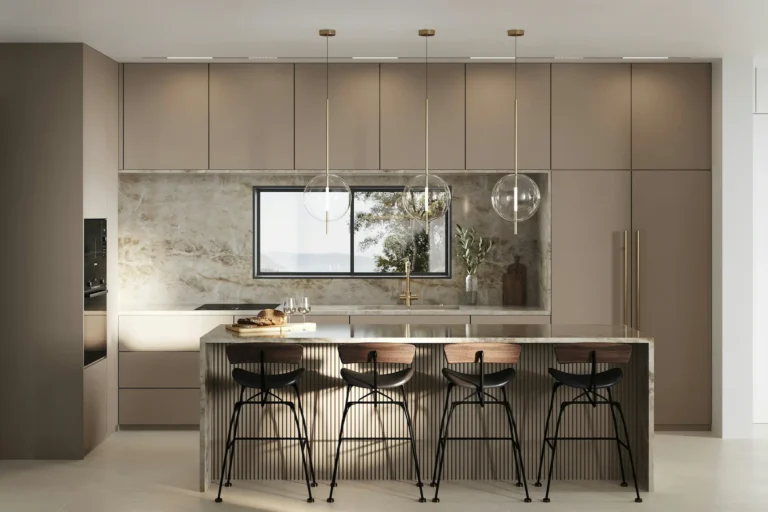
Material selection further refines pure style. Surfaces must carry depth without ornament. Smooth plaster walls, honed stone countertops, pale wood flooring, and subtle brushed metals introduce texture quietly. These materials should age gracefully rather than reveal wear abruptly. Finish matters profoundly. Matte textures absorb light gently, avoiding glare. Subtle grain in wood adds warmth without distraction. The palette often leans toward restrained neutrals—soft whites, warm greys, muted beige—but variation within those tones creates dimension. Simplicity is not monotone. It is controlled nuance.
Furniture in a simple interior must justify its presence. Pieces should align proportionally with room scale and architectural lines. Low profile sofas, rectangular dining tables with clean edges, sculptural yet restrained chairs. Ornament is replaced by silhouette. The curve of a chair arm or the precise edge of a console becomes visual interest. Negative space plays equal role. The distance between objects defines breathing room. Overcrowding undermines clarity immediately. Every placement must feel deliberate rather than convenient.
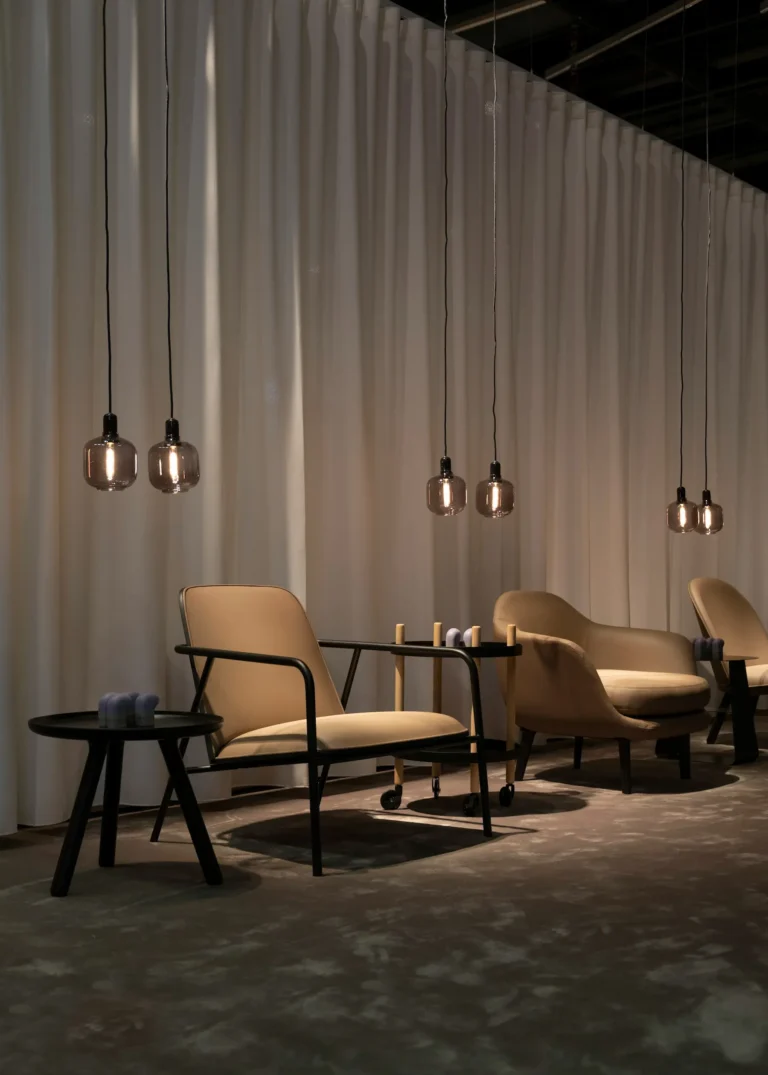
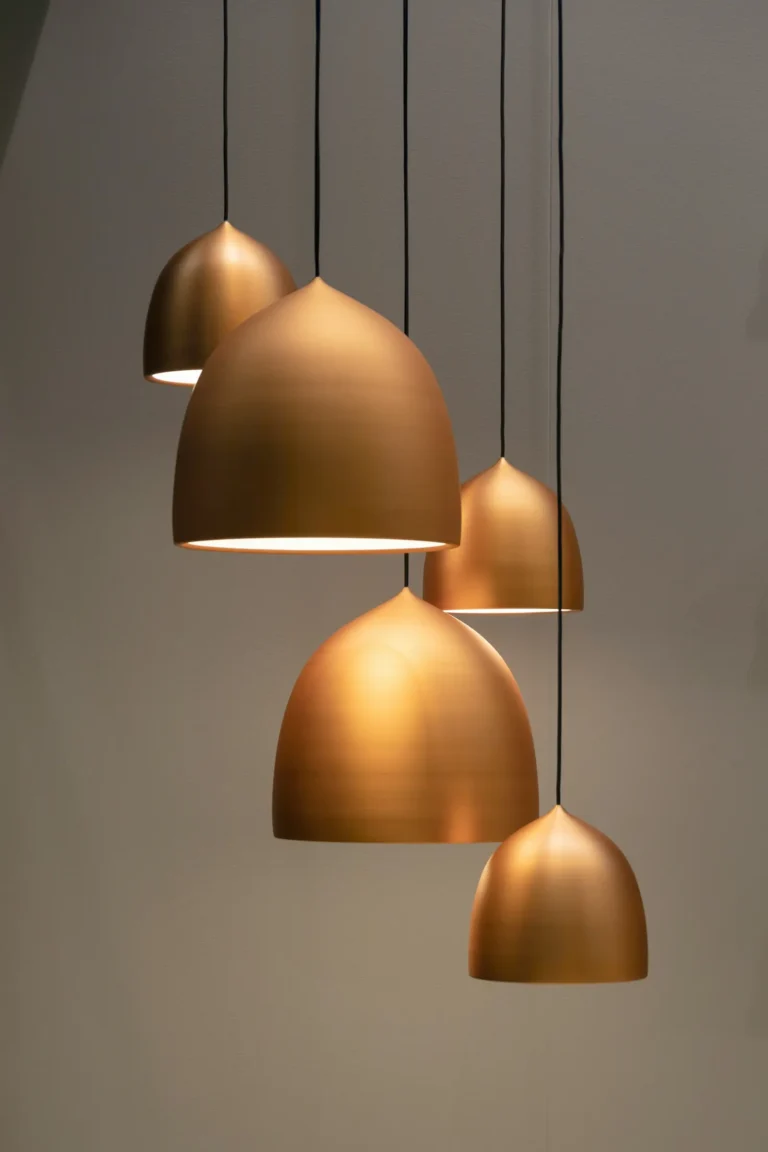
Lighting reinforces purity. Natural light should be maximized and allowed to move freely across surfaces. Window treatments remain minimal, often sheer or tailored. Artificial lighting must be layered subtly. Recessed fixtures preserve ceiling continuity. Linear pendants align with dining tables precisely. Indirect lighting can highlight architectural edges without drawing attention to itself. Illumination should reveal form, not overpower it.
Functionality remains essential. Hidden storage, integrated cabinetry, and concealed hardware ensure that everyday necessities do not disturb visual calm. Technology integrates discreetly, maintaining uninterrupted lines. Cable management, flush mounted screens, and minimal control interfaces preserve composure. Simplicity is sustained through thoughtful organization.
Acoustics contribute to atmosphere. While clean surfaces may risk echo, the strategic addition of textiles—area rugs, upholstered seating, linen drapery—softens sound without disrupting minimal aesthetic. Comfort must coexist with restraint. A simple interior that feels cold fails its purpose.
Sustainability aligns naturally with pure style. Investing in fewer high quality pieces reduces consumption. Durable materials and timeless silhouettes transcend trend cycles. Maintenance becomes easier when surfaces are uncluttered and well crafted.
Emotionally, simplicity fosters clarity. Visual calm reduces cognitive fatigue. Space feels open and breathable. Movement feels intuitive. There is freedom in not being overwhelmed by detail. Pure style allows the occupant to become focal rather than the room itself.
Ultimately, simplicity is mastery of restraint. Clean lines establish order. Pure materials introduce warmth subtly. Balanced proportion sustains harmony. When nothing is unnecessary and everything belongs, elegance becomes inherent rather than applied. A simple interior does not attempt to impress. It endures. Through clarity, discipline, and thoughtful placement, it creates atmosphere that feels timeless, composed, and deeply livable.