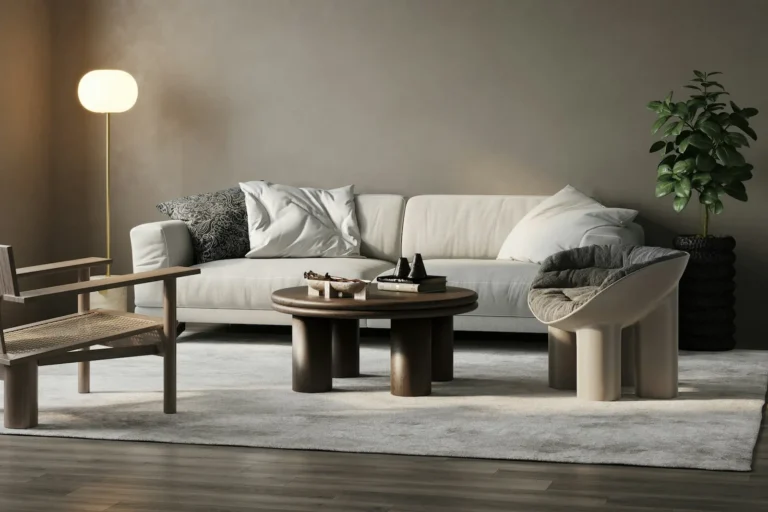
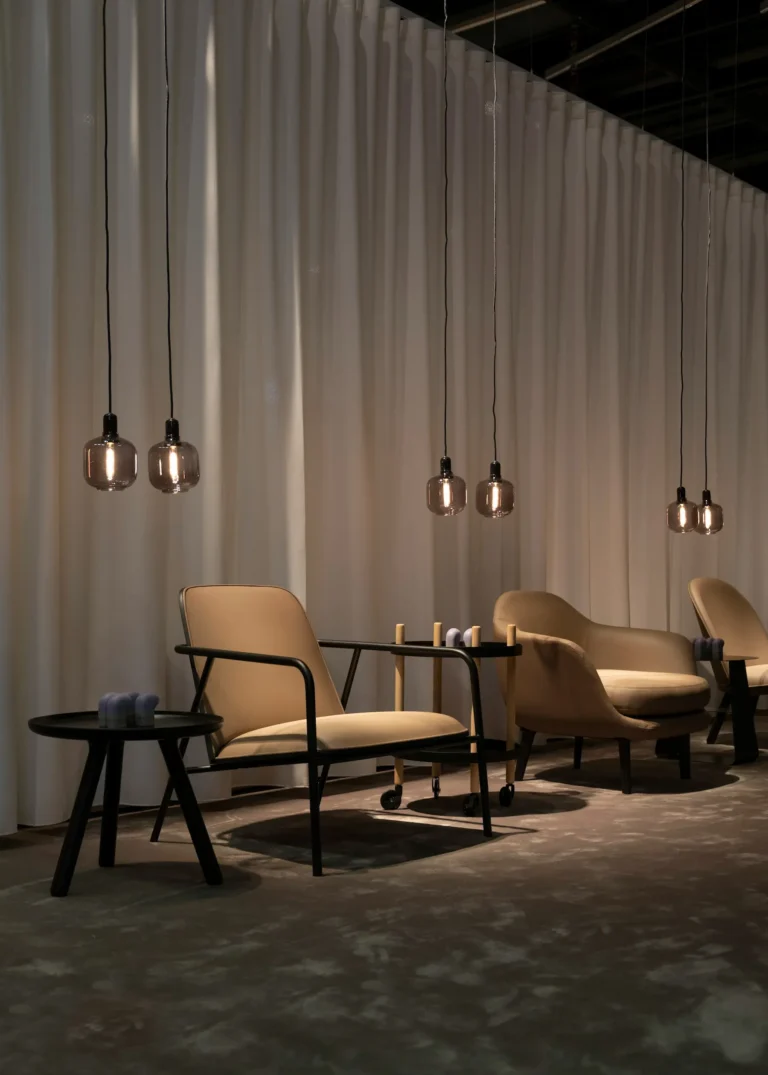
The essence of retro interiors begins with silhouette. Iconic mid century chairs with tapered legs, curved sofas with sculptural backs, low profile credenzas in rich walnut tones. These pieces establish narrative immediately. However, when inserted into contemporary spaces, proportion must be recalibrated. Ceiling heights today differ from historic homes. Open plan layouts require furniture to anchor space differently. A vintage armchair may sit beside a minimalist modern sofa. A retro coffee table may rest on a textured neutral rug. This juxtaposition prevents nostalgia from becoming imitation. Instead, it transforms into reinterpretation.
Color is a defining element of retro revival. Mustard, burnt orange, olive green, and deep teal recall specific eras vividly. Yet in a modern twist, these hues are often softened or strategically applied. A single accent wall in muted terracotta against clean white architecture. Velvet cushions in deep emerald placed upon streamlined seating. The aim is not saturation but balance. Lighting further shapes this relationship. Globe pendants, brass floor lamps, and sculptural fixtures nod to past decades, yet modern LED technology ensures efficiency and warmth. The glow becomes atmospheric rather than theatrical.
Materiality reinforces authenticity. Walnut cabinetry, terrazzo surfaces, smoked glass, and brushed brass recall mid century sophistication. However, contemporary craftsmanship refines these materials. Edges become cleaner. Finishes more durable. Upholstery fabrics more resilient. Vintage looks are preserved visually but enhanced functionally. Sustainability aligns naturally with retro design. Reclaimed furniture, restored heirlooms, and repurposed vintage pieces reduce waste while adding depth. Each object carries narrative. Patina becomes asset rather than flaw.
Layout must respond to modern lifestyle. Retro interiors historically emphasized compartmentalized rooms, yet contemporary homes favor openness. Zoning through furniture placement, area rugs, and lighting allows vintage elements to coexist within fluid space. A retro dining table may anchor an open plan kitchen, illuminated by a modern sculptural fixture. Built in storage conceals modern appliances behind vintage inspired facades. Technology integrates invisibly, ensuring that nostalgia does not compromise convenience.
Texture layering deepens richness. Corduroy, boucle, leather, and wool introduce tactile comfort. Patterned tiles in subtle geometric motifs reference past decades without overwhelming space. Artwork plays crucial role. Abstract prints reminiscent of mid century palettes, framed photography, or graphic posters echo historical aesthetics while maintaining modern framing discipline. Scale must remain intentional. Too many small objects risk clutter. Negative space ensures clarity.
Acoustic considerations enhance authenticity. Upholstered seating and layered textiles absorb sound within open environments. Retro inspired interiors should feel cozy, not chaotic. Lighting placement remains strategic. Warm temperature bulbs soften bold colors. Dimmers allow mood variation from lively gathering to intimate evening.
Ultimately, retro with a modern twist is about translation. It honors the optimism, experimentation, and personality of past eras while adapting them to present needs. It avoids replication and instead seeks reinterpretation. Clean architectural backdrops frame vintage elements elegantly. Modern craftsmanship refines nostalgic forms. Technology integrates discreetly. The result is an interior that feels familiar yet fresh, expressive yet controlled.
Retro design thrives on memory but succeeds through balance. Vintage silhouettes introduce character. Modern restraint preserves sophistication. Together they create environments that feel layered and authentic rather than themed. In this fusion of old and new, design transcends trend cycles. It becomes narrative continuity shaped by thoughtful adaptation, where history inspires rather than confines, and where nostalgia evolves into timeless expression.