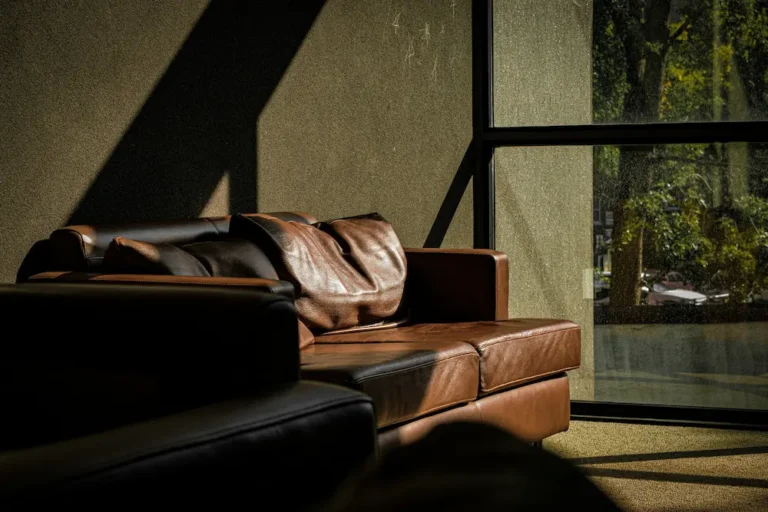
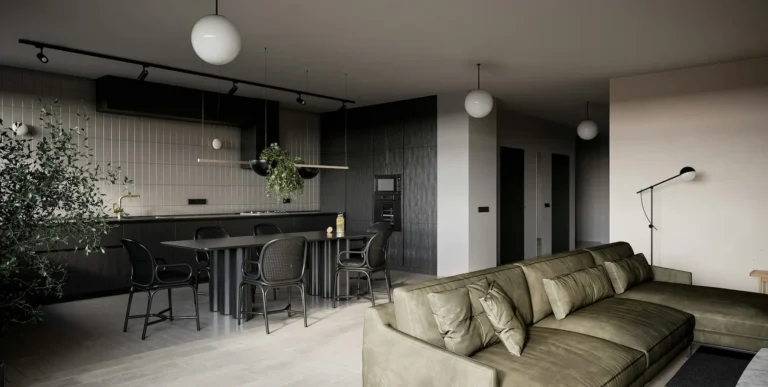
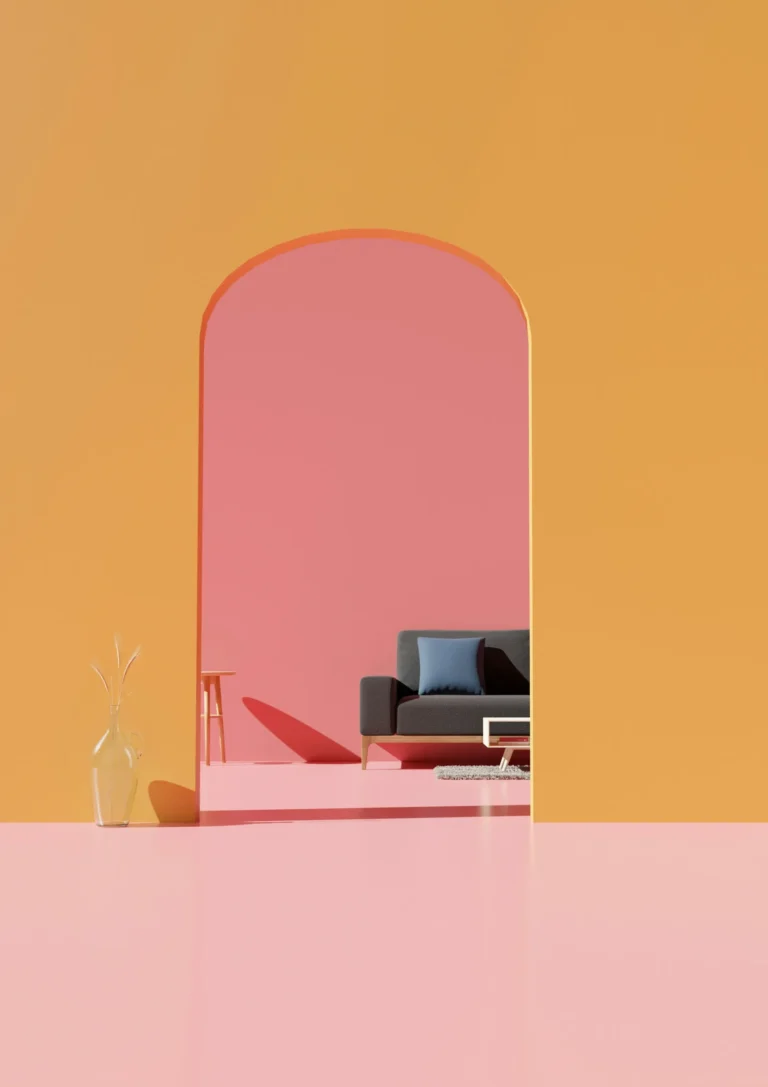
Grace begins with line. Lines establish direction, rhythm, and hierarchy within space. Vertical lines elongate perception and introduce dignity. Horizontal lines ground the eye and create stability. Diagonal gestures add subtle dynamism when used sparingly. In exquisite interiors, these lines do not clash. They converse. Architectural details such as moldings, paneling, and staircases must follow coherent geometry. When lines align intentionally—window frames echoing door proportions, shelving units mirroring ceiling divisions—the room feels unified. Curves, when introduced, soften strict geometry and prevent visual severity. An arched doorway within rectilinear architecture, a gently curved sofa within linear walls, or a rounded dining table beneath a structured ceiling produces balance between firmness and fluidity. The dialogue between straight and curved forms generates sophistication.
Proportion is the invisible mathematics of beauty. It governs scale relationships between architecture and furnishing. High ceilings demand taller vertical emphasis—elongated drapery, sculptural lighting, extended cabinetry—while lower ceilings benefit from horizontal continuity and lighter visual weight. Furniture must respond proportionally to room dimensions. Oversized pieces distort elegance; underscaled elements diminish presence. The ratio between wall surface and artwork, between seating area and open floor, between ceiling height and chandelier drop, must feel calibrated rather than approximate. Perfect proportion is rarely noticed directly, yet imbalance is immediately felt. This sensitivity defines exquisite design.
Material selection further refines line and proportion. Polished stone emphasizes clarity. Honed finishes soften reflection. Fine wood grain introduces organic continuity across surfaces. Metal accents should reinforce structural logic rather than distract. A slim brass trim tracing cabinetry edges can highlight geometry subtly. Upholstery in tailored silhouettes strengthens line discipline. Texture, however, must temper perfection. Linen, wool, and velvet introduce tactile warmth that prevents excessive severity. Lighting reveals these nuances. Layered illumination accentuates architectural precision while casting gentle shadows that emphasize curvature. Cove lighting outlines ceilings delicately, while pendant fixtures suspended at exact heights reinforce symmetry. Natural light interacting with proportion creates living dynamism across surfaces.
Functionality must align with elegance. A space cannot be exquisite if circulation feels awkward. Pathways must flow intuitively. Storage should integrate seamlessly, preserving architectural clarity. Hardware must scale appropriately; oversized handles disrupt refinement, while overly delicate details risk invisibility. Technology should remain discreet. Concealed wiring, flush mounted panels, and balanced media integration preserve visual harmony. Acoustic considerations enhance perception. Balanced surfaces and soft furnishings ensure that the environment sounds as composed as it looks. Sustainability complements exquisite design through longevity. Perfect proportions and timeless silhouettes transcend trend cycles, reducing need for constant replacement.
Ultimately, exquisite interiors embody discipline. Graceful lines guide movement effortlessly. Perfect proportions stabilize composition. Materials, light, and form align without strain. Such spaces do not seek attention through spectacle. They command respect through coherence. When geometry, scale, and texture coexist in equilibrium, elegance becomes inherent rather than applied. Exquisite design is not about abundance. It is about precision refined until beauty feels inevitable. In that inevitability lies true sophistication—architecture and atmosphere unified through proportion, line, and thoughtful restraint.