The foundation of a svelte interior begins with architectural intention. Walls align precisely, ceilings extend uninterrupted, and transitions between materials occur seamlessly. Clean lines frame the environment, establishing visual order before furnishings enter the equation. Trim remains subtle, moldings minimal, and door frames flush with surrounding surfaces. This architectural clarity creates a calm canvas upon which shape becomes focal. Yet absolute linearity can risk severity. The introduction of curves—arched doorways, rounded corners, elliptical tables—reintroduces humanity. Curvature softens tension. It redirects movement gently rather than abruptly. The interplay between straight and curved lines defines the essence of svelte design.
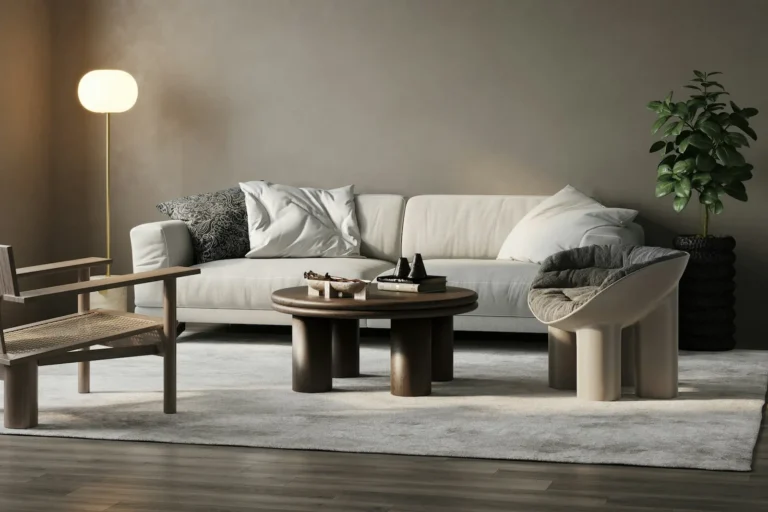
Material selection reinforces this balance. Polished stone countertops, brushed metal accents, and smooth plaster walls emphasize precision, while tactile textiles and rounded upholstery temper strict geometry. A streamlined sofa with subtly curved arms, a cylindrical pendant light suspended above a rectangular dining table, or a sculptural lounge chair positioned within linear architecture creates dynamic contrast. These juxtapositions prevent monotony. Surface continuity is essential. Flooring should extend visually without fragmentation, enhancing elongation. Vertical paneling or slender shelving units accentuate height, while low profile furniture preserves openness. Each element participates in visual rhythm.
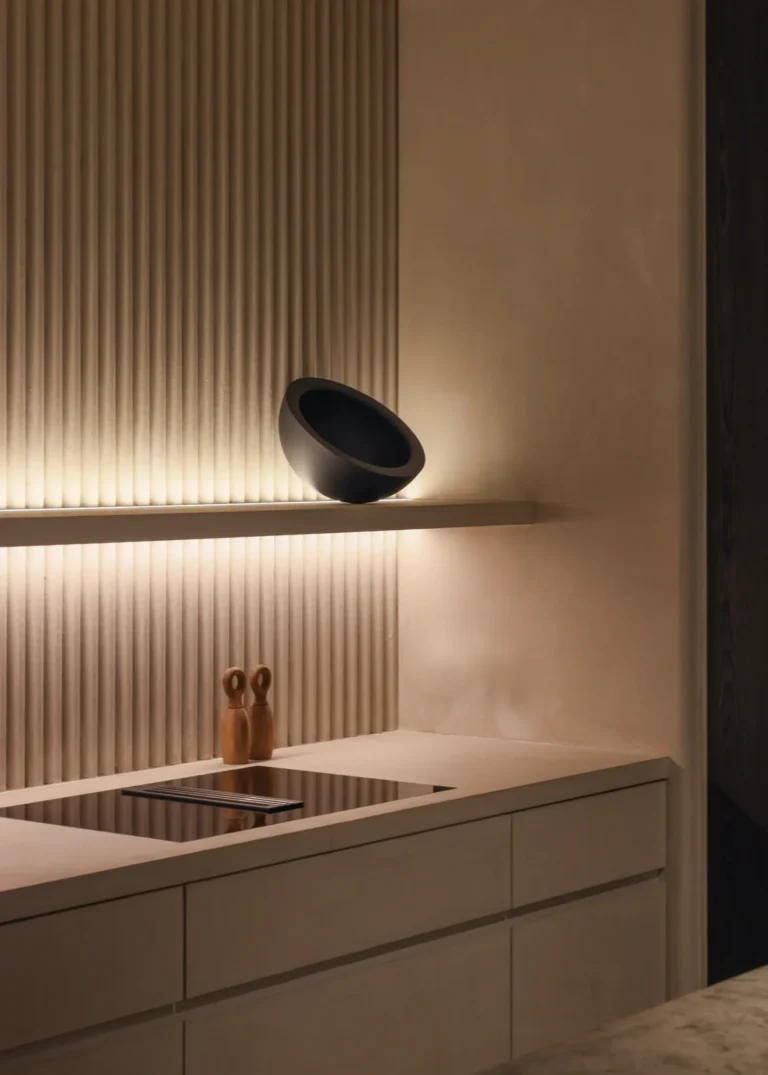
Lighting further articulates form. Linear recessed fixtures trace architectural edges discreetly, reinforcing structure without intrusion. Cove lighting highlights curves subtly, casting soft shadows that emphasize depth. Natural light becomes sculptural when filtered through sheer curtains against curved walls or arched windows. Reflection plays measured role. Gloss surfaces may accentuate line, yet must be controlled to avoid distraction. The objective is elegance rather than shine. In a svelte space, light does not compete with structure. It reveals it.
Furniture arrangement sustains spatial flow. Clean pathways align with architectural lines, guiding movement naturally. Curved seating clusters foster intimacy within open plans. Proportion remains critical; oversized pieces disrupt refinement, while underscaled items diminish presence. Storage solutions integrate flush within walls to preserve continuity. Handles remain minimal or concealed entirely. Technology, too, must align with aesthetic discipline. Screens recess seamlessly, wiring remains invisible, and control panels integrate unobtrusively.
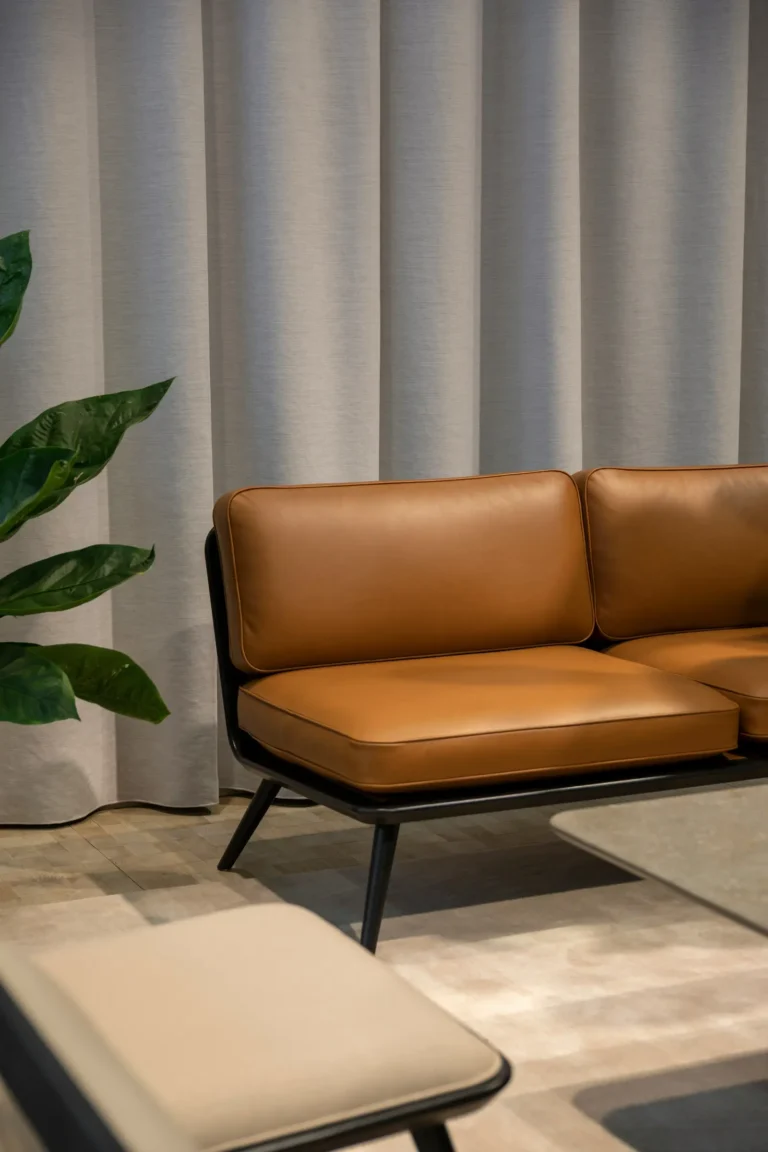
Texture layering adds depth without compromising clarity. A woven rug beneath a sleek coffee table, a leather accent chair near smooth concrete flooring, or soft linen drapery adjacent to glass partitions introduces warmth. These tactile moments prevent austerity. Acoustic balance complements visual design. Soft furnishings temper echo within streamlined architecture, preserving comfort. Sustainability aligns naturally with svelte interiors through investment in durable, timeless forms. Clean silhouettes transcend fleeting trends, ensuring longevity.
Ultimately, svelte design thrives on tension resolved through proportion. Straight lines establish strength. Curves introduce grace. Together they create composition that feels deliberate yet fluid. Such interiors do not overwhelm with ornament or compete for attention. They hold presence through silhouette and balance. Clean lines guide the eye; elegant curves guide the body. In their union, space becomes both structured and serene. The result is modern refinement shaped not by excess, but by disciplined form and harmonious flow.