Gentle interiors do not seek to impress. They seek to soothe. Mild elegance is not absence of character, but refinement without tension. A gentle space carries quiet warmth, soft transitions, and restrained composition. Nothing feels abrupt, nothing demands immediate attention. Instead, the room unfolds gradually, revealing texture, tone, and proportion with subtle confidence. Comfort becomes the core principle, yet comfort here is not casual disorder. It is curated calm. Materials are chosen for how they feel as much as how they look. Light diffuses rather than glares. Edges soften rather than assert. In a world driven by bold contrast and visual noise, gentle design offers a restorative alternative. It reminds us that elegance can whisper and still be deeply felt.
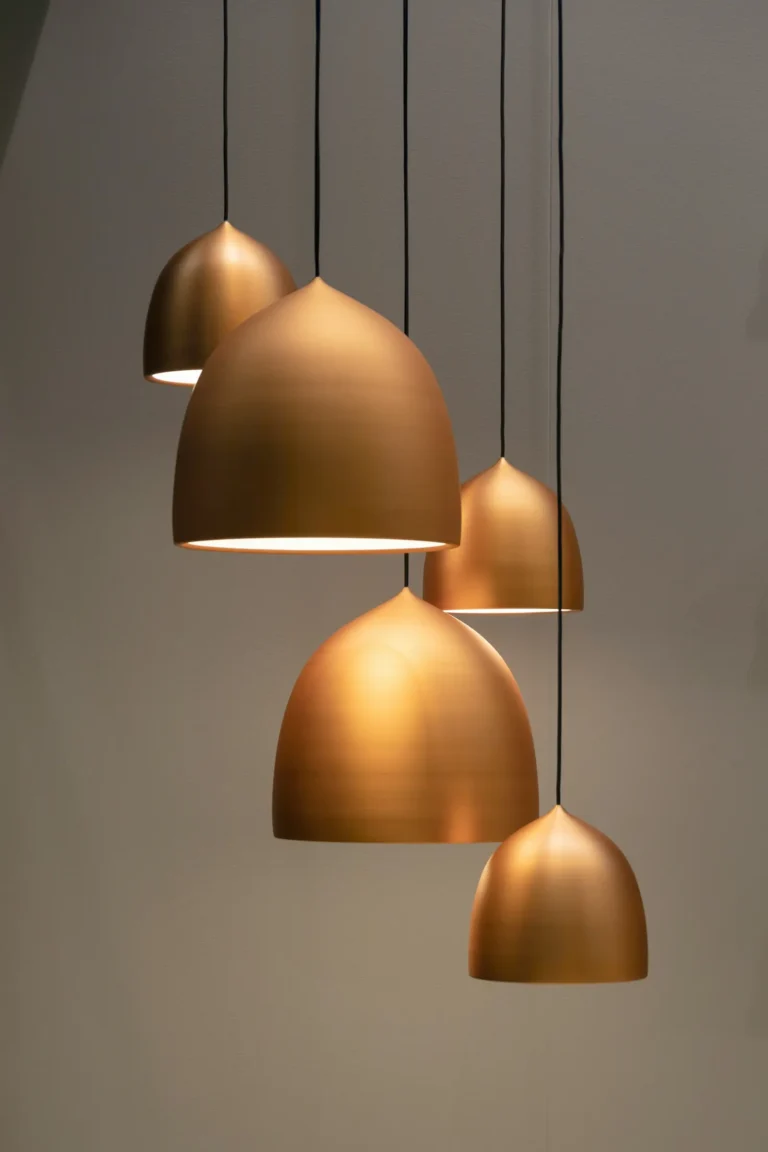
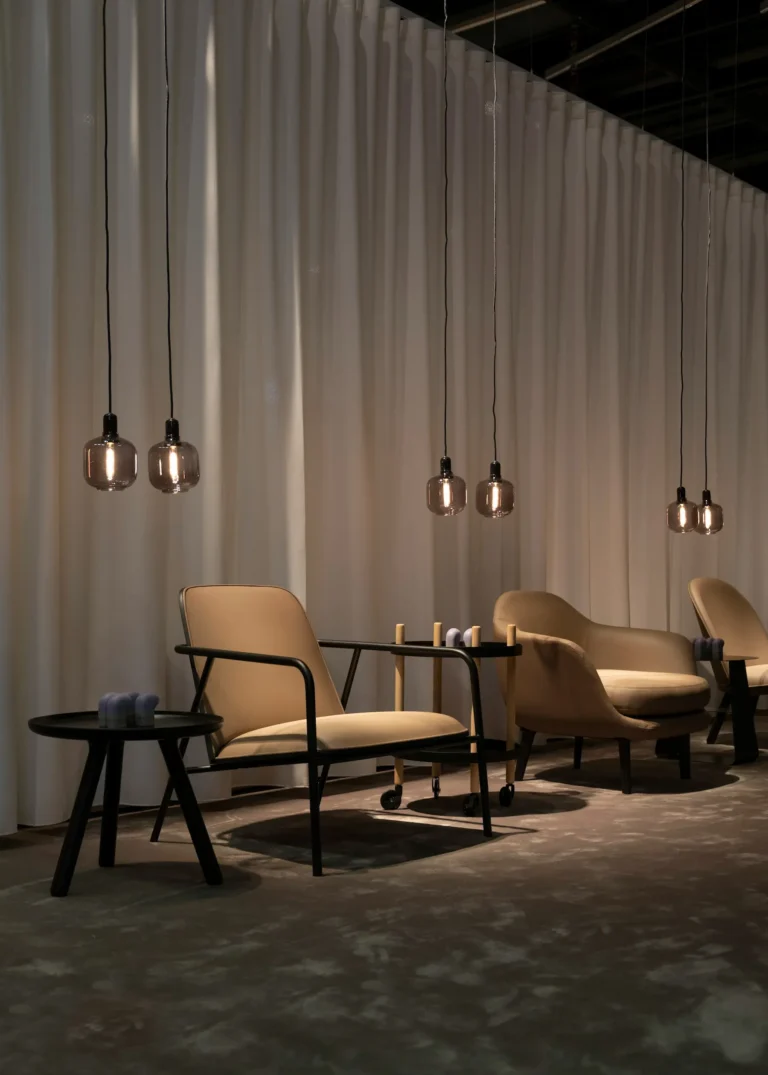
Gentle design begins with atmosphere. The first impression of a space should feel welcoming rather than imposing. This atmosphere is shaped through color, scale, and material harmony. Soft neutrals form the foundation—warm ivory, muted sand, pale sage, subtle dove grey. These tones create continuity and prevent harsh visual interruption. Unlike stark minimalism or dramatic maximalism, mild elegance avoids extremes. It balances light and shadow delicately, ensuring that surfaces reflect warmth without glare. Natural light plays a central role. Sheer curtains filter brightness into a soft glow, while layered artificial lighting sustains that warmth into the evening. Lamps positioned at varied heights create pockets of intimacy. No single source dominates. Illumination becomes gentle presence rather than focal spectacle.
Material selection reinforces comfort. Upholstered furniture in linen, cotton, or soft wool introduces tactile reassurance. Rounded edges on tables and cabinetry prevent visual rigidity. Natural woods with visible grain add warmth without heaviness. Stone surfaces, when used, are honed rather than polished to avoid excessive shine. Texture layering is essential in achieving depth without intensity. A woven throw over a structured sofa, a plush rug beneath smooth flooring, a ceramic vase resting on matte wood. These combinations build quiet richness. The objective is to engage the senses softly. Even acoustic qualities matter. Soft textiles absorb echo, ensuring that the room feels acoustically calm. Sound becomes muted, reinforcing emotional ease.
Furniture arrangement contributes significantly to mild elegance. Seating should encourage closeness without congestion. Clear pathways maintain flow, yet distances between elements feel intimate rather than expansive. Scale remains proportional to architecture, preventing visual imbalance. Decorative objects are curated carefully. A few meaningful pieces placed intentionally feel more authentic than abundant ornamentation. Negative space supports breathing room. It allows textures and light to settle naturally. Storage solutions remain discreet yet accessible, ensuring that comfort is not compromised by clutter. Gentle interiors function effortlessly because order has been anticipated. Technology integrates quietly, with visible hardware minimized. The room remains human centered.
Sustainability aligns naturally with this approach. Durable materials, timeless silhouettes, and quality craftsmanship prevent frequent replacement. Gentle design values longevity over novelty. It encourages slower living, mindful consumption, and intentional curation. Emotionally, such interiors provide refuge. They reduce visual tension and support mental clarity. The body relaxes in softened light. The mind settles in harmonious proportion. Mild elegance does not compete with life; it supports it. Ultimately, a gentle interior demonstrates that sophistication need not be dramatic. Comfort need not be careless. Through measured palette, tactile layering, and thoughtful restraint, spaces achieve composure that feels sincere. They do not overwhelm with spectacle. They envelop with warmth. And in that softness, true elegance reveals itself quietly yet profoundly.