A pristine interior begins at the architectural level. Clean aesthetics require structural honesty. Walls should meet ceilings without awkward transitions. Corners must align sharply where intended, or curve subtly with deliberate softness. Flooring should extend seamlessly, allowing continuity rather than fragmentation. The absence of visual interruption is not accidental; it is engineered through meticulous planning. Even minor inconsistencies—uneven baseboards, misaligned cabinetry, disproportionate trim—can disrupt the serenity that pristine design depends on. Purity demands precision, and precision requires patience.
Color selection defines the emotional temperature of the space. Pristine does not necessarily mean stark white. It means clarity within palette. Warm ivory, muted sand, pale stone, soft dove grey. These tones create atmosphere without competing. Subtle undertones become significant in clean environments. A slightly warm white can introduce comfort, while a cooler hue enhances crispness. The interplay between natural light and color shifts throughout the day, bringing gentle variation to otherwise restrained surfaces. Strategic contrast may appear in singular gestures—a matte black frame, a sculptural dark accent—but restraint governs every decision. Too much contrast fractures calm. Too little variation flattens depth. Balance is essential.
Material integrity elevates pristine interiors beyond minimalism. Smooth plaster walls carry quiet texture under shifting light. Honed marble reflects softly rather than sharply. Light oak flooring introduces organic warmth without visual heaviness. Brushed metals provide subtle sheen without glare. Texture exists, but it whispers rather than shouts. Linen upholstery softens structured architecture. Wool rugs ground expansive floors. These tactile layers prevent sterility while preserving clarity. In a pure aesthetic, materials must coexist harmoniously. One aggressive finish can overpower an entire composition.
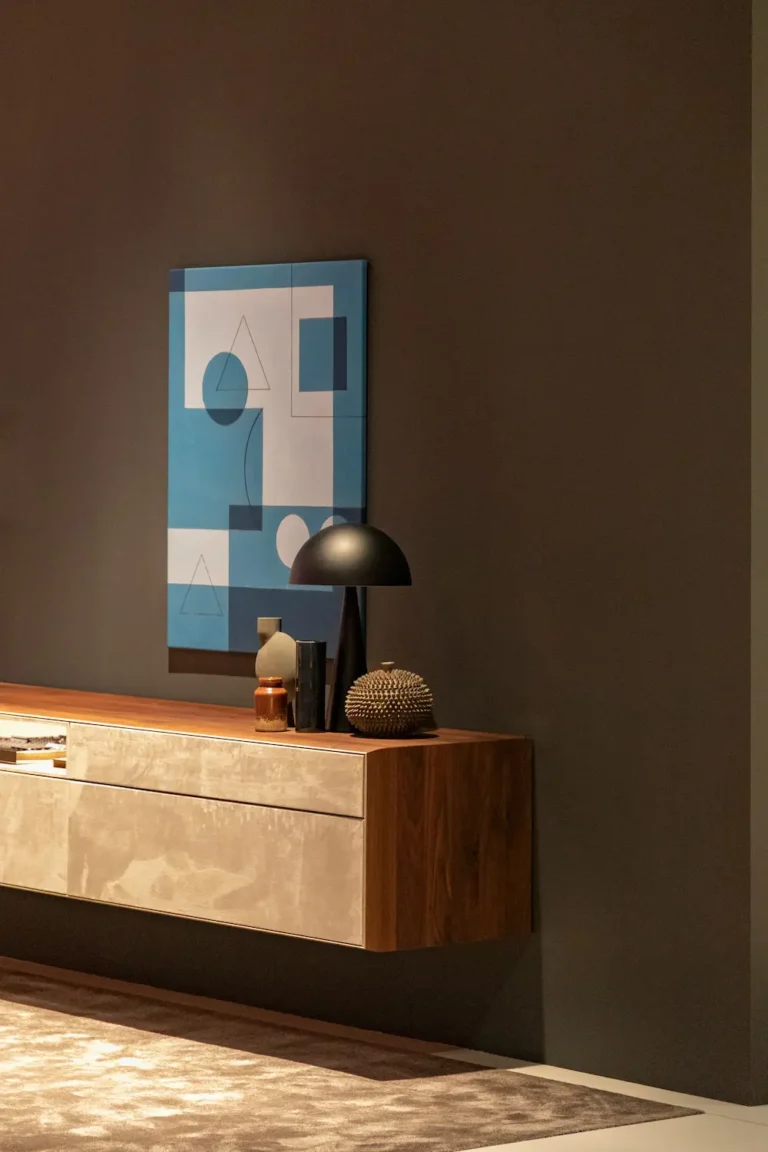
Storage plays an indispensable role in maintaining clean design. Clutter erodes purity instantly. Integrated cabinetry, flush doors, concealed hardware, and built in shelving allow everyday objects to disappear when not in use. This is not about hiding chaos behind closed panels; it is about designing for order from the outset. Every object must have a considered place. Functionality supports aesthetics rather than undermining it. A pristine space feels effortless because organization has been anticipated architecturally.
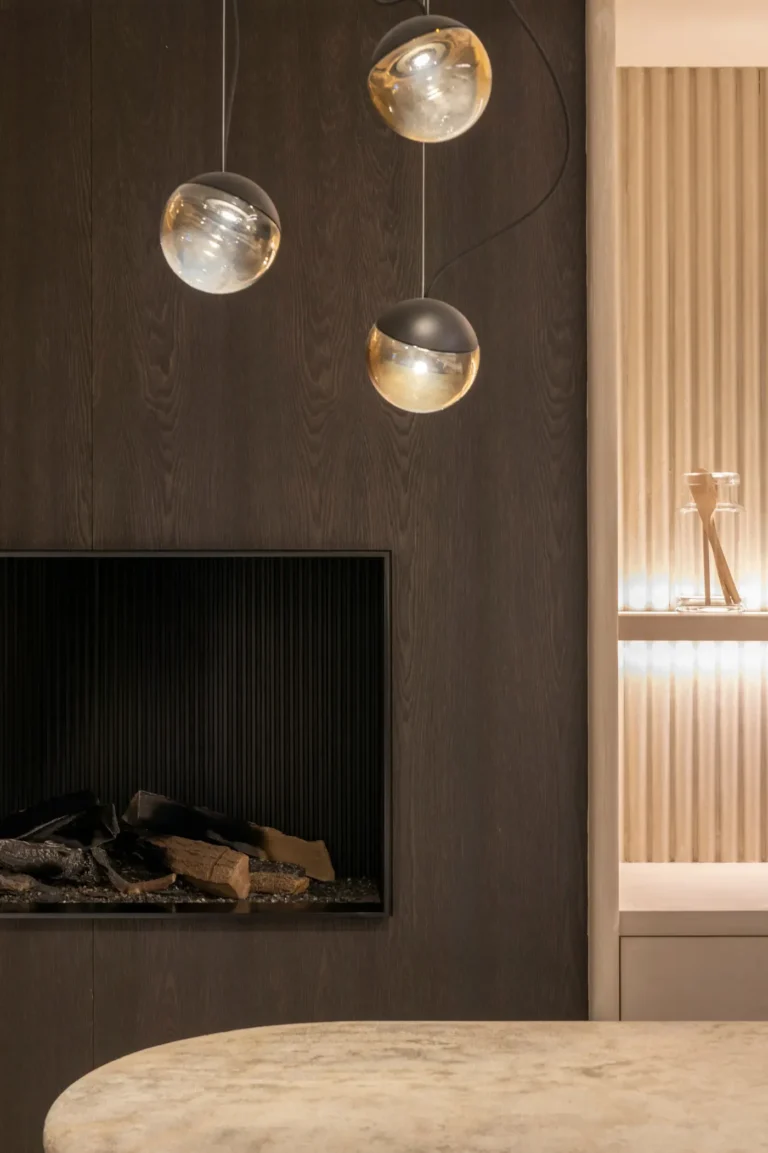
Lighting is perhaps the most transformative element in pure interiors. Natural light should be maximized and diffused. Sheer window treatments soften brightness without obstructing it. Artificial lighting must be layered with intention. Recessed fixtures maintain ceiling continuity. Indirect LED strips highlight architectural edges subtly. Floor and table lamps introduce warmth in the evening. Harsh overhead glare destroys tranquility. Balanced illumination sustains composure. Light reveals texture, deepens shadow, and defines form. In pristine environments, lighting is not decoration; it is atmosphere.
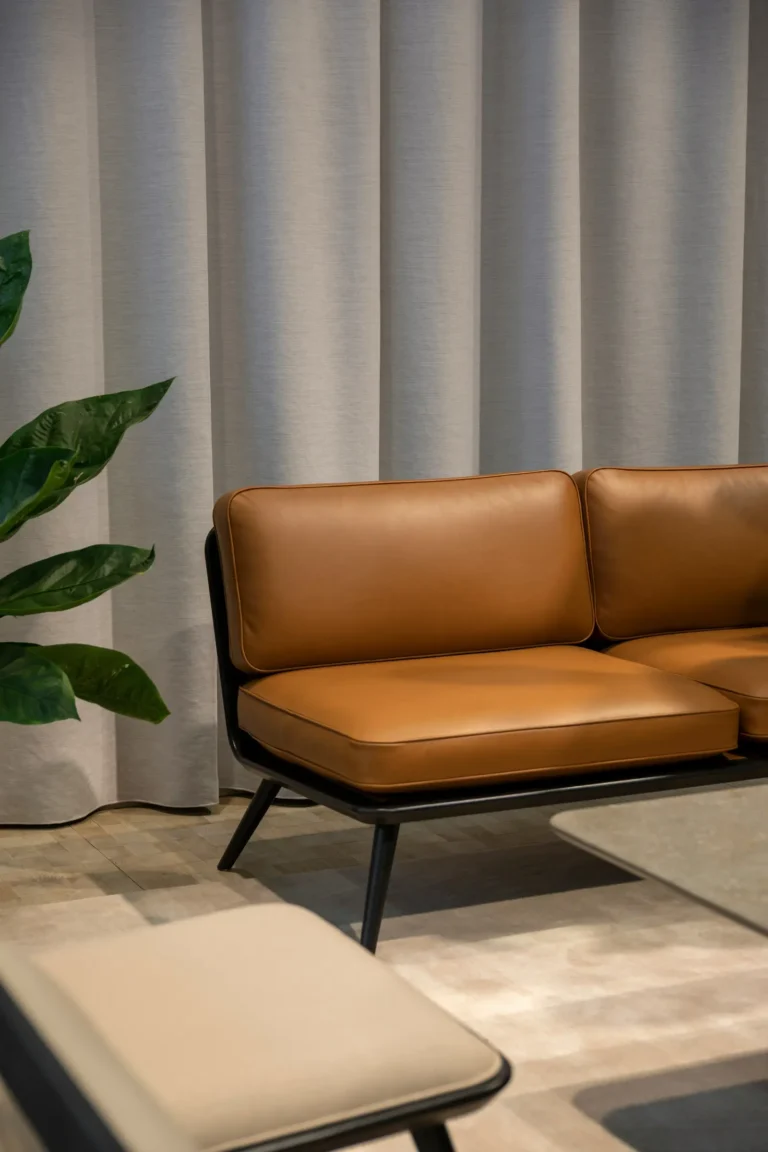
Furniture selection reinforces restraint. Clean silhouettes, low profiles, and balanced proportions dominate. Pieces should neither dominate nor disappear. Scale must align precisely with room volume. A sofa too bulky disrupts clarity; one too slight diminishes presence. Upholstery remains neutral, allowing architectural lines to remain focal. Sculptural forms may exist, but they must feel deliberate rather than ornamental. Negative space becomes equally important. The distance between objects, the breathing room around a table, the emptiness of a wall. These voids define rhythm.
Acoustics subtly influence perception of purity. Hard surfaces can amplify echo, creating unintended sharpness. Introducing textiles, upholstered seating, and soft layering tempers sound gently. A pristine space should feel calm not only visually but audibly. Sound, light, and material collaborate to create sensory equilibrium.
Technology integration must remain discreet. Visible wiring, oversized screens, and intrusive hardware compromise clean aesthetics. Hidden cable management, recessed media walls, and subtle control systems preserve visual integrity. Modern living demands connectivity, yet pristine design demands invisibility. Balance between the two defines sophistication.
Sustainability aligns naturally with pure and clean aesthetics. Choosing fewer high quality materials reduces excess. Durable surfaces age gracefully. Natural finishes avoid artificial sheen that deteriorates quickly. Investing in timeless pieces minimizes constant replacement. Purity supports longevity.
Emotionally, pristine interiors cultivate clarity. They reduce cognitive overload. Visual calm allows mental calm. Spaces feel breathable. Movement feels unobstructed. In such environments, design serves life rather than dominating it. The mind rests because nothing competes for attention.
Ultimately, pristine design is not about sterility. It is about refinement sustained through intention. It honors architecture, proportion, light, and restraint equally. Pure and clean aesthetics require discipline, but the reward is enduring serenity. A pristine space does not overwhelm or distract. It steadies. It clarifies. It allows material, light, and proportion to speak in measured harmony. In that quiet precision, interior design achieves a rare balance—where simplicity feels profound, and absence becomes presence shaped by thoughtful control.