Artisanal

Artisanal

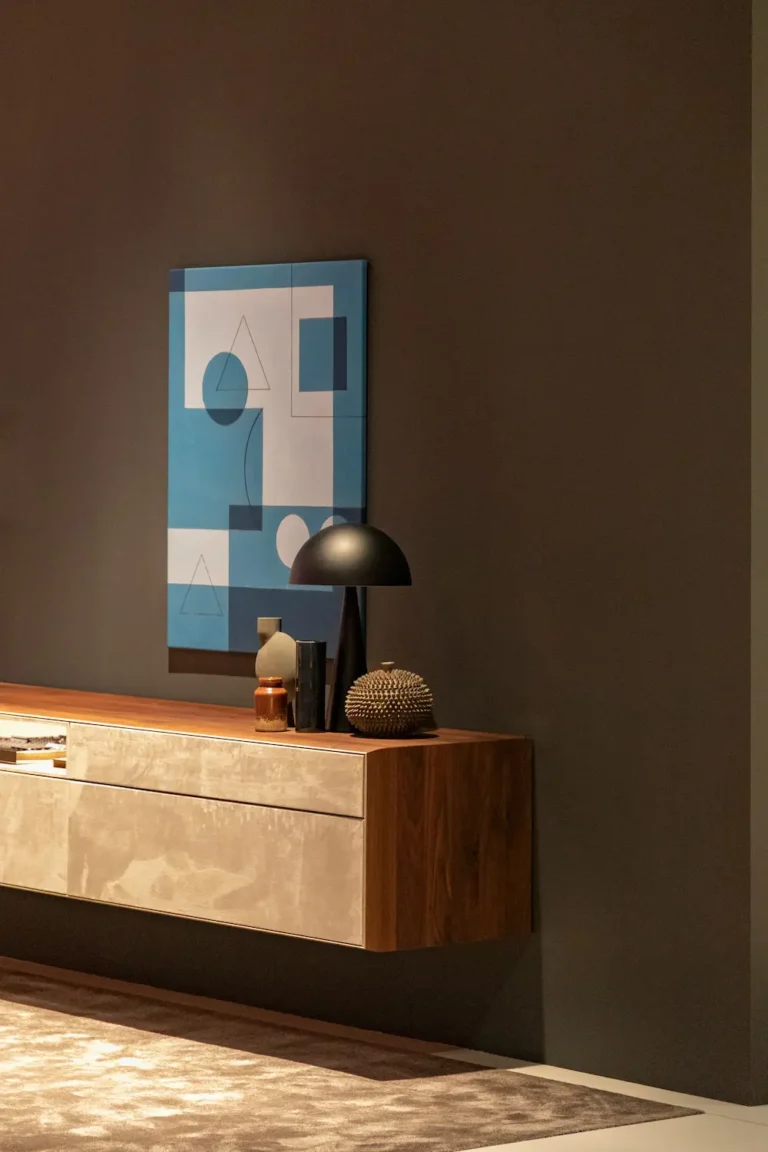
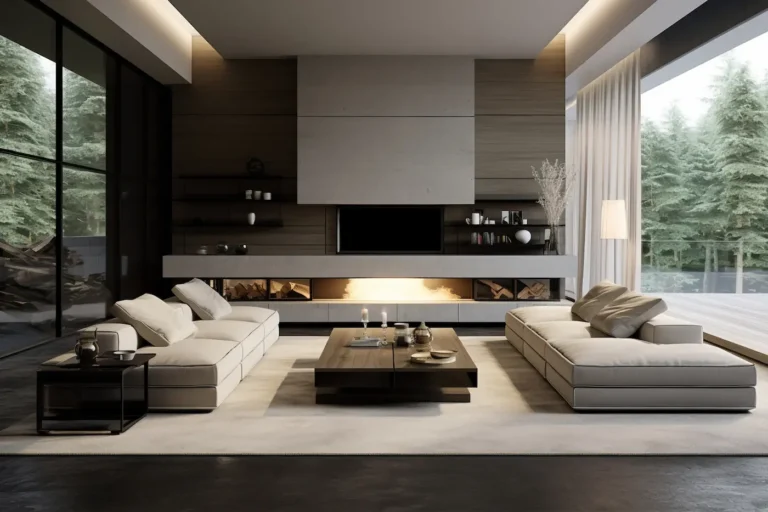
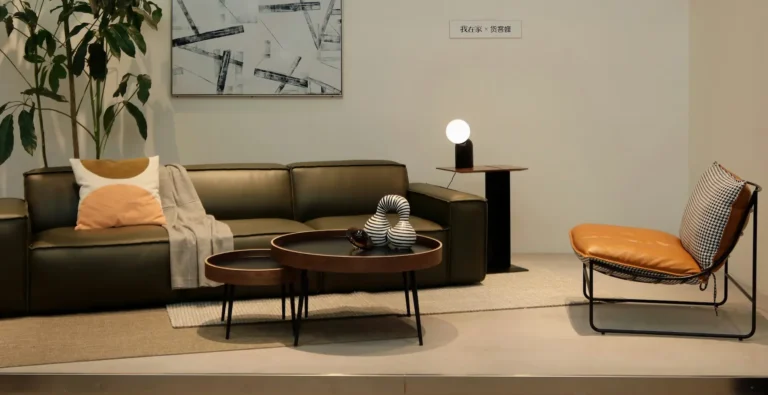
Artisanal interiors are shaped not only by design, but by devotion. They carry the quiet evidence of human touch, of time invested rather than rushed. Handcrafted excellence is not about rustic charm or visible imperfection alone. It is about intention embedded within material. Wood carved with patience, clay formed with sensitivity, textiles woven with rhythm instead of automation. In a world of repetition and speed, artisanal spaces feel grounded. They tell stories through grain, texture, and subtle variation. Nothing feels identical, and that is precisely the point. Authentic craftsmanship introduces warmth, individuality, and permanence. When interiors are shaped by hands rather than solely by machines, design becomes not just aesthetic, but deeply human.

Handcrafted Design Excellence

Handcrafted design begins with respect for material. An artisan does not force wood into submission but studies its grain, its density, its natural direction. The resulting table or cabinet feels alive because its structure follows inherent logic. Stone surfaces are cut to highlight veining rather than conceal it. Ceramics reveal subtle variations in glaze that shift under light. These nuances cannot be replicated through mass production. They are born from dialogue between maker and medium. In interiors, this dialogue translates into depth. A handcrafted dining table becomes more than furniture; it becomes focal narrative. A handwoven rug introduces rhythm beneath a room’s composition. Excellence emerges not from perfection, but from character shaped with discipline.

Texture defines much of the sensory richness within artisanal interiors. Smooth plaster walls juxtaposed with carved wood panels create dynamic contrast. Linen drapery falls with soft irregularity, absorbing light differently across its surface. Woven baskets, ceramic vessels, forged metal hardware. Each element contributes to tactile layering. When these textures coexist thoughtfully, the space feels composed rather than chaotic. Lighting enhances this dimension. Warm illumination reveals grain, emphasizes tool marks, and deepens natural tones. Instead of flattening surfaces, light collaborates with them. The room gains warmth not through color alone, but through material authenticity.

Craftsmanship also shapes proportion. Handmade pieces often follow human scale intuitively. Edges are softened slightly. Curves feel organic rather than engineered. The result is comfort embedded within form. Storage solutions crafted with precision align seamlessly within architecture. Joinery executed carefully prevents warping over time. Drawers glide smoothly because tolerances were measured by experienced hands. These details reinforce longevity. Sustainability aligns naturally with artisanal excellence. When objects are built to endure decades rather than seasons, consumption slows. Repair becomes viable. Patina becomes desirable rather than problematic. Aging enhances rather than diminishes beauty.

Modern interiors benefit profoundly from handcrafted integration. Clean architectural lines frame artisanal elements elegantly. A minimalist environment allows a single carved console or sculptural ceramic fixture to command attention without competition. Conversely, layered traditional spaces gain coherence when craftsmanship connects elements through consistent material language. Importantly, artisanal design does not reject innovation. Technology may integrate discreetly within handcrafted cabinetry. Contemporary lighting systems may illuminate traditional surfaces. Balance between heritage and modernity defines success. Ultimately, handcrafted design excellence lies in integrity. Integrity of process, of material, of intention. It resists disposability and values patience. In choosing artisanal interiors, one chooses presence over uniformity, depth over surface, and permanence over passing trend. The result is space that feels rooted, authentic, and unmistakably human.

WhatsApp
Facebook
Pinterest
Telegram
Email
X
Discover More