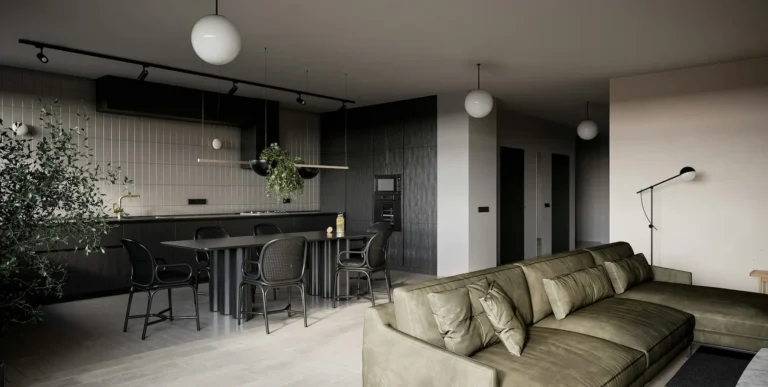
A poised interior begins with proportion, because proportion determines whether a space feels calm or unsettled long before its details are consciously registered. Ceiling height must converse with furniture scale. Large volumes demand grounded anchoring elements, while intimate rooms benefit from lighter silhouettes that preserve openness. When a sofa overwhelms its surroundings or a dining table appears visually adrift, imbalance emerges instantly. Grace depends on calibration. Visual weight must be distributed thoughtfully, not necessarily mirrored, but balanced. A substantial bookshelf may be countered by layered artwork and lighting across the room. An expansive window wall may require grounded furnishings to stabilize openness. Harmony emerges not from duplication, but from equilibrium.
Material selection reinforces composure. Stone, metal, and glass introduce clarity and strength, yet without tactile counterpoint they risk sterility. Linen, wool, and natural wood soften structure and introduce warmth. A marble surface beside upholstered seating achieves balance when texture offsets reflection. Matte finishes absorb light gently, while subtle gloss introduces depth. The interaction between surfaces determines atmosphere. Poise arises when no single material dominates unnecessarily. Instead, materials collaborate. Light becomes mediator within this relationship. Layered lighting ensures that brightness does not flatten form. Soft ambient glow supports architecture, task lighting enhances function, and accent illumination highlights focal elements without glare. Shadows should feel intentional rather than accidental. When light is disciplined, elegance strengthens.
Spatial arrangement defines movement and emotional comfort. Graceful spaces maintain clear circulation paths, allowing inhabitants to navigate effortlessly. Furniture grouping should encourage conversation without crowding. Negative space must be intentional, not leftover. Empty walls, uncluttered surfaces, and measured distances between objects create rhythm. Visual pauses allow the eye to rest. This restraint amplifies impact. Overcrowding diminishes poise immediately, no matter how refined the individual elements. Storage solutions contribute significantly to balance. Built in cabinetry, concealed compartments, and integrated shelving preserve order without visible excess. Function must align seamlessly with aesthetic. When daily necessities remain organized discreetly, calm persists.
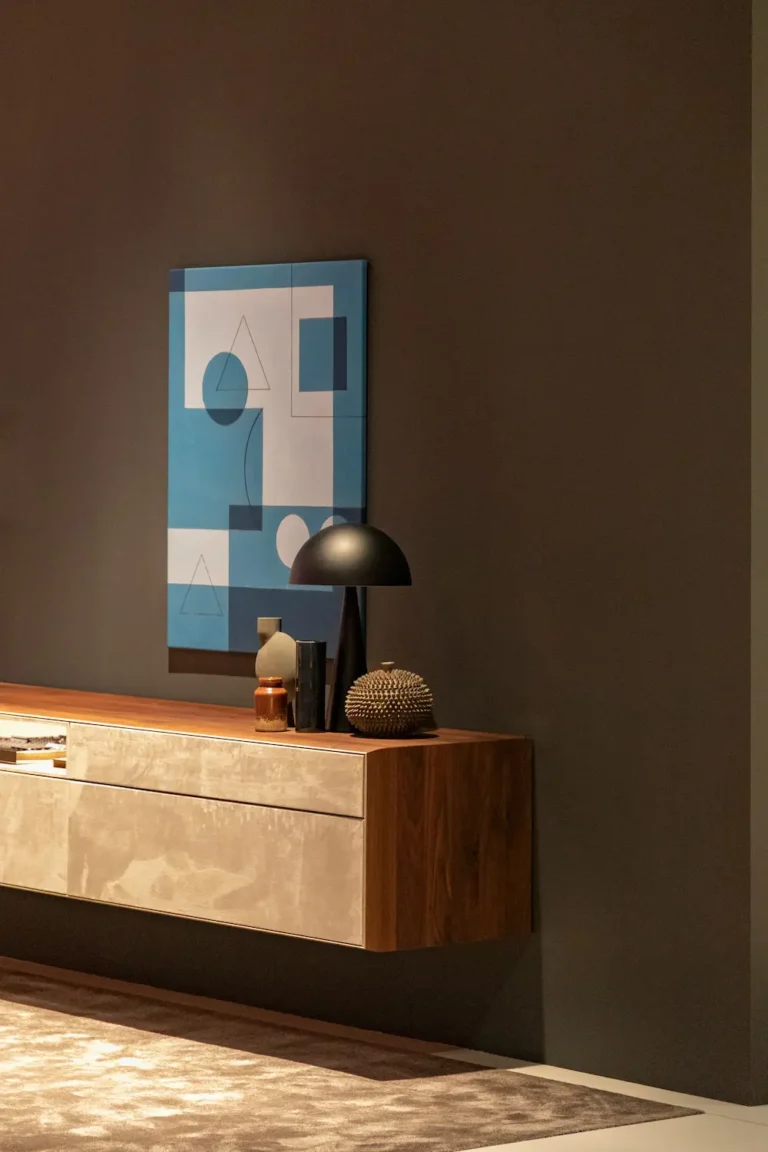
Art and decorative elements require equal discipline. A single oversized painting may anchor a wall more effectively than multiple smaller pieces competing for attention. Alternatively, a curated gallery can feel balanced when spacing and alignment follow deliberate rhythm. Hardware selection, from door handles to cabinet pulls, influences perception subtly. Consistency in finish builds cohesion. Even transitions between rooms must sustain harmony. Flooring continuity, complementary palettes, and consistent lighting temperature preserve flow. Acoustic balance also matters. Hard surfaces may require textile reinforcement to soften resonance. Sound influences serenity as profoundly as sight.
Ultimately, poise is the result of countless small decisions aligned under singular intention. It reflects respect for architecture, material integrity, and human movement. A poised interior does not attempt to impress through spectacle. It earns admiration through coherence. It supports daily life without visual fatigue. It invites presence rather than distraction. Balance becomes emotional as well as spatial. In a composed room, the mind settles. The body relaxes. Light moves gently across surfaces. Objects exist in dialogue rather than competition. Through proportion, material harmony, disciplined lighting, and thoughtful restraint, graceful and balanced spaces achieve quiet mastery. They do not shout their refinement. They sustain it. And in that sustained equilibrium, interior design fulfills its highest purpose: creating environments that feel grounded, intentional, and enduring.