Intricacy in interior design is rarely dramatic, yet it is profoundly influential. A room may appear calm and effortless, but beneath that ease lies discipline. The way baseboards meet flooring without uneven gaps. The seamless transition from stone to wood where thresholds are nearly invisible. The proportion of crown molding scaled precisely to ceiling height. These details do not exist to impress overtly. They exist to prevent disruption. When transitions are handled thoughtfully, the eye moves naturally. The space feels composed because tension has been removed at its most subtle level.
Material interaction is one of the most revealing aspects of detailed design. Where marble intersects with brushed metal, where cabinetry aligns flush against a plastered wall, where tile grout lines remain perfectly even across a surface. These intersections require foresight and precision. A millimeter misaligned can disturb visual balance, even if only subconsciously. Excellence reveals itself through consistency. Surfaces meet deliberately. Textures complement rather than compete. The result feels cohesive rather than assembled.
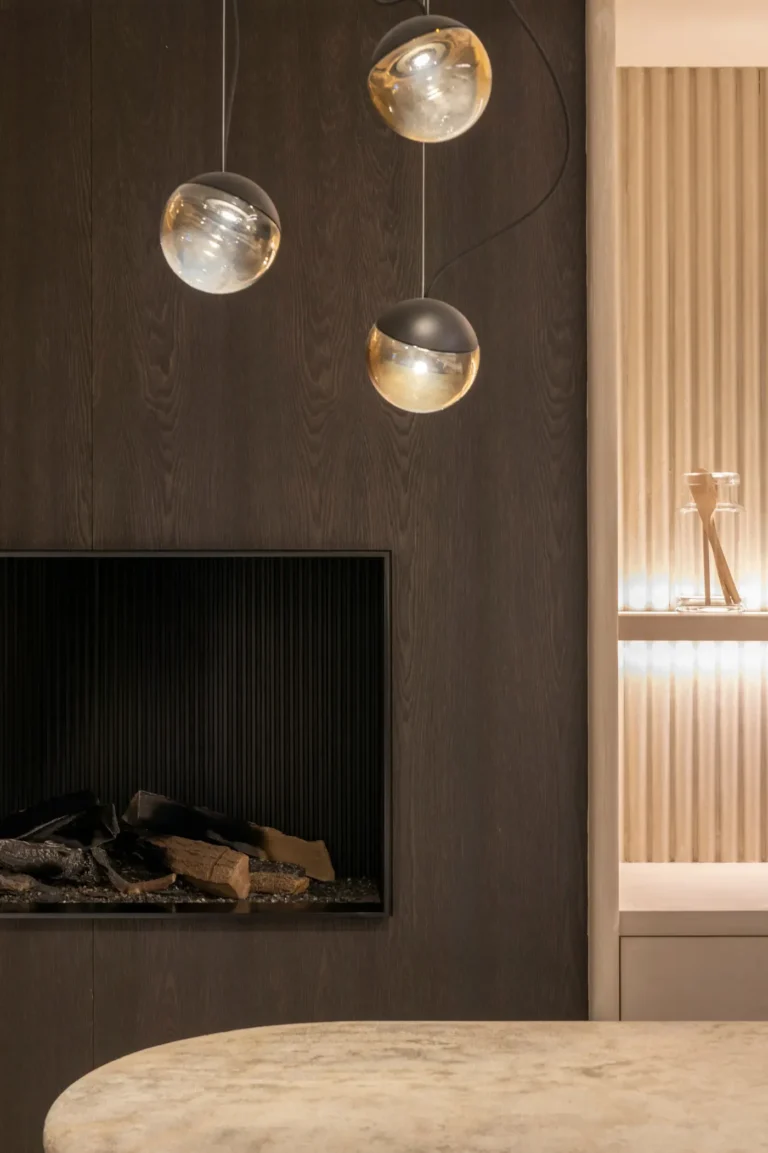
Lighting further exposes the importance of detail. Light has no mercy. It reveals imperfections in finish, uneven paint application, poorly aligned fixtures. Conversely, it enhances craftsmanship when surfaces are executed with care. The trim of a recessed light, the shadow line beneath cabinetry, the subtle glow washing across textured walls. These nuances influence atmosphere profoundly. A well considered lighting detail can transform simplicity into sophistication.
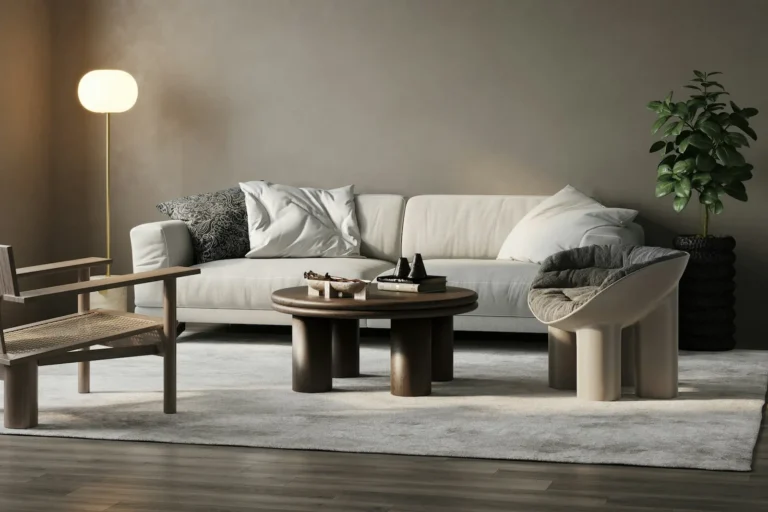
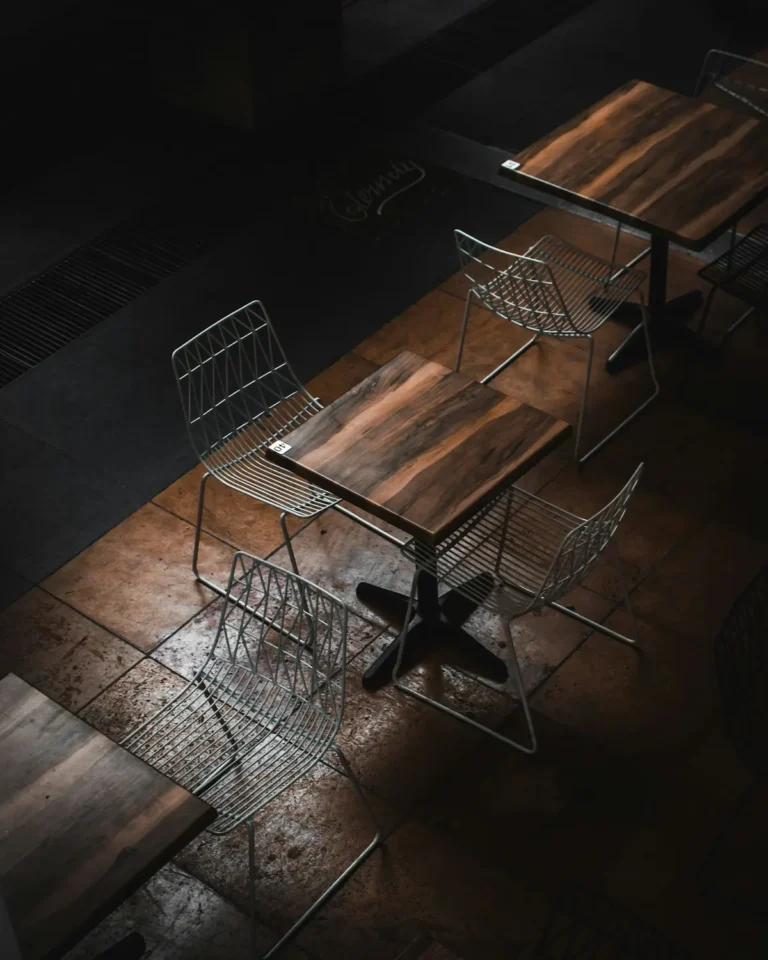
Furniture construction also communicates intricacy. The joinery of a wooden table, the stitching along upholstery seams, the alignment of patterned fabric across cushions. These elements may not command immediate focus, yet they shape perception of quality. When patterns align perfectly across adjacent panels, when seams are crisp and intentional, the space conveys deliberation. The absence of such care creates subtle visual noise.
Even negative space depends on detail. The spacing between artwork and ceiling, the margin left around shelving, the measured distance between furniture pieces. Balance is achieved not only through objects but through the void surrounding them. Too little space suffocates. Too much isolates. Precision establishes rhythm.
Functional elements require equal attention. Cabinet doors that close silently and align evenly. Drawers that glide without resistance. Hidden storage solutions that preserve clean lines. Practical details contribute to aesthetic calm. When function operates seamlessly, design feels trustworthy.
Sound and tactility deepen the experience. Solid wood dampens resonance differently than hollow material. Textiles soften acoustics subtly. Smooth stone surfaces feel cool and grounding beneath touch. These sensory details influence comfort beyond appearance. A well detailed space engages more than sight.
Minimalist interiors, in particular, demand rigorous attention to intricacy. Without decorative distraction, every seam and edge becomes visible. Clean lines must remain truly clean. Alignment must be exact. In such spaces, detail is not optional. It is structural.
Sustainability intersects with detail through durability. High quality finishes resist wear. Precise construction prevents premature deterioration. When joints are executed correctly and materials are chosen thoughtfully, longevity follows. Detail supports sustainability by ensuring resilience.
Ultimately, focusing on intricacies is about respect. Respect for architecture, for material, for craft, and for those who inhabit the space. It is acknowledgment that excellence resides not in spectacle, but in precision repeated consistently. A room defined by thoughtful detail feels inevitable rather than accidental. Nothing appears arbitrary. Nothing disrupts flow.
Detail does not shout. It refines. It anchors. It stabilizes. And in that quiet consistency, interior design achieves its most enduring form of sophistication.