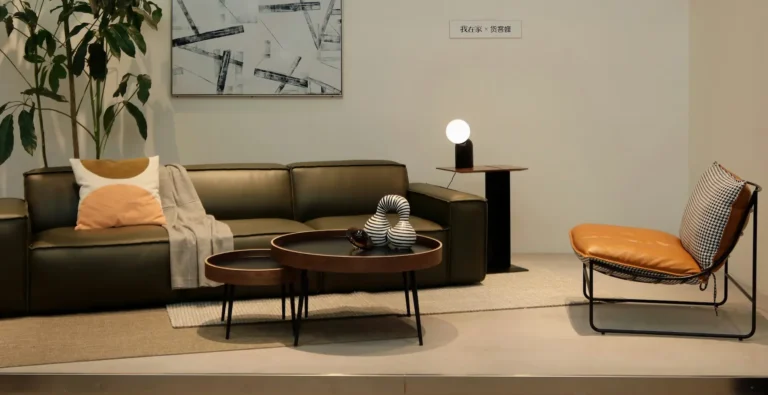
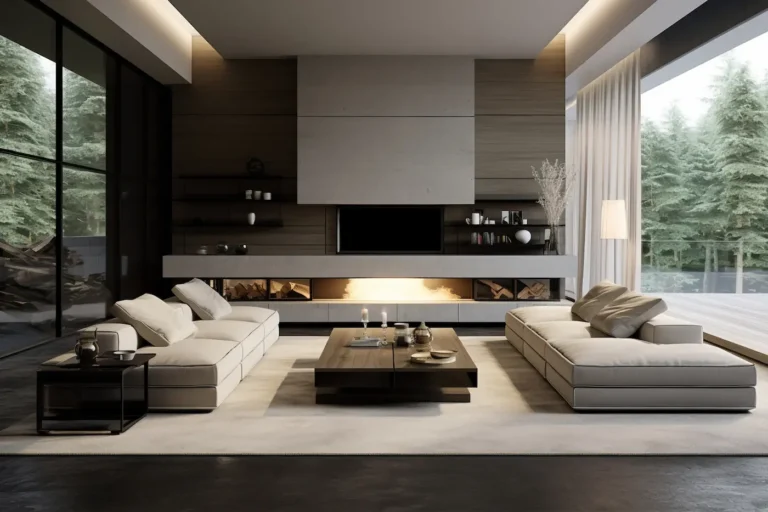
Ambiance begins with light. Natural light defines rhythm across the day. Morning illumination sharpens edges and clarifies detail. Evening light softens contours and deepens shadow. Windows become dynamic features rather than openings. Sheer curtains diffuse brightness gently. Heavier drapes introduce intimacy when needed.
Artificial lighting must respond to this cycle. Overhead fixtures provide foundation, but layered sources shape mood. Table lamps create pockets of warmth. Wall sconces emphasize architectural features. Indirect lighting beneath shelves introduces subtle glow. The aim is not brightness, but balance.
Color contributes profoundly to atmosphere. Warm neutrals foster comfort. Deep tones create intimacy. Soft pastels introduce calm. Bold hues energize. The key lies in harmony. An inviting atmosphere rarely relies on extreme contrast. Instead, it builds coherence through related tones.
Texture transforms visual composition into sensory experience. Linen softens hard surfaces. Wool rugs warm stone floors. Wood grain introduces organic rhythm. Matte finishes absorb light gently, while gloss surfaces reflect selectively. Layering textures prevents flatness and enriches perception.
Sound is often overlooked but essential. Hard surfaces amplify echo. Soft furnishings absorb resonance. Thoughtful placement of textiles and panels can improve acoustics significantly. An inviting environment feels calm not only visually but aurally.
Furniture arrangement influences atmosphere deeply. Seating grouped intentionally encourages conversation. Pathways left open maintain flow. Focal points such as fireplaces or artwork anchor perspective. Balance between openness and intimacy determines comfort.
Scale matters. Oversized furniture in small spaces overwhelms. Undersized pieces in expansive rooms create imbalance. Harmonizing scale with architecture ensures cohesion.
Scent subtly enhances ambiance. Natural materials carry inherent fragrance. Wood, leather, and textiles contribute quietly. Carefully chosen candles or diffusers add warmth without intrusion. The sensory dimension completes the atmosphere.
Personal elements make ambiance unique. Books arranged thoughtfully. Art selected intentionally. Objects that hold memory positioned meaningfully. These details humanize space. They prevent uniformity.
Climate also shapes feeling. Proper ventilation, temperature control, and airflow contribute to comfort. Subtle adjustments can transform perception dramatically.
Sustainability aligns naturally with atmospheric design. Natural materials age gracefully. Plants introduce life and improve air quality. Sunlight reduces reliance on artificial illumination. Organic elements enrich authenticity.
Transitions between rooms influence continuity. Consistent flooring maintains flow. Complementary palettes connect separate areas. Lighting temperature alignment preserves mood.
Ambiance is not static. It shifts with time of day, season, and activity. A dining room may feel vibrant during gatherings and serene when empty. Flexible lighting and adaptable furnishings support these changes.
Craftsmanship underpins subtle atmosphere. Well finished surfaces reflect light evenly. Balanced joinery prevents visual disruption. Quality enhances calm.
Ultimately, crafting ambiance requires restraint. It is not accumulation of objects but orchestration of elements. Every surface, every shadow, every texture participates.
An inviting and unique atmosphere does not announce itself loudly. It unfolds gradually. Guests feel at ease without analyzing why. Residents feel supported without conscious awareness.
Ambiance transforms interior design from visual arrangement into lived experience. It is the quiet dialogue between architecture and emotion. And when crafted with care, it leaves an impression deeper than decoration alone.