Modern life is fluid. Homes are no longer single purpose environments. Living rooms double as workspaces. Kitchens act as social hubs. Bedrooms accommodate both rest and digital activity. Functional design responds to this complexity without sacrificing aesthetic integrity.
The foundation begins with layout. Open plans must allow zoning without walls. Strategic placement of rugs, shelving, and lighting can define purpose within shared space. A sofa positioned to anchor conversation while maintaining clear pathways supports movement naturally. Functional design respects circulation.
Storage becomes essential in stylish modern interiors. Hidden compartments, built in cabinetry, modular shelving. These solutions maintain visual calm while accommodating daily objects. Clutter disrupts both function and style. Thoughtful storage preserves cohesion.
Furniture selection prioritizes adaptability. Extendable dining tables accommodate fluctuating guest numbers. Sofas with integrated storage support compact living. Foldable desks allow transformation from office to lounge. Multifunctionality defines modern elegance.
Material choice balances durability with aesthetic appeal. High traffic areas require resilient surfaces. Engineered wood, treated fabrics, scratch resistant finishes. Yet durability does not exclude refinement. Textured stone countertops can withstand use while elevating appearance. Performance textiles mimic luxury while resisting wear.
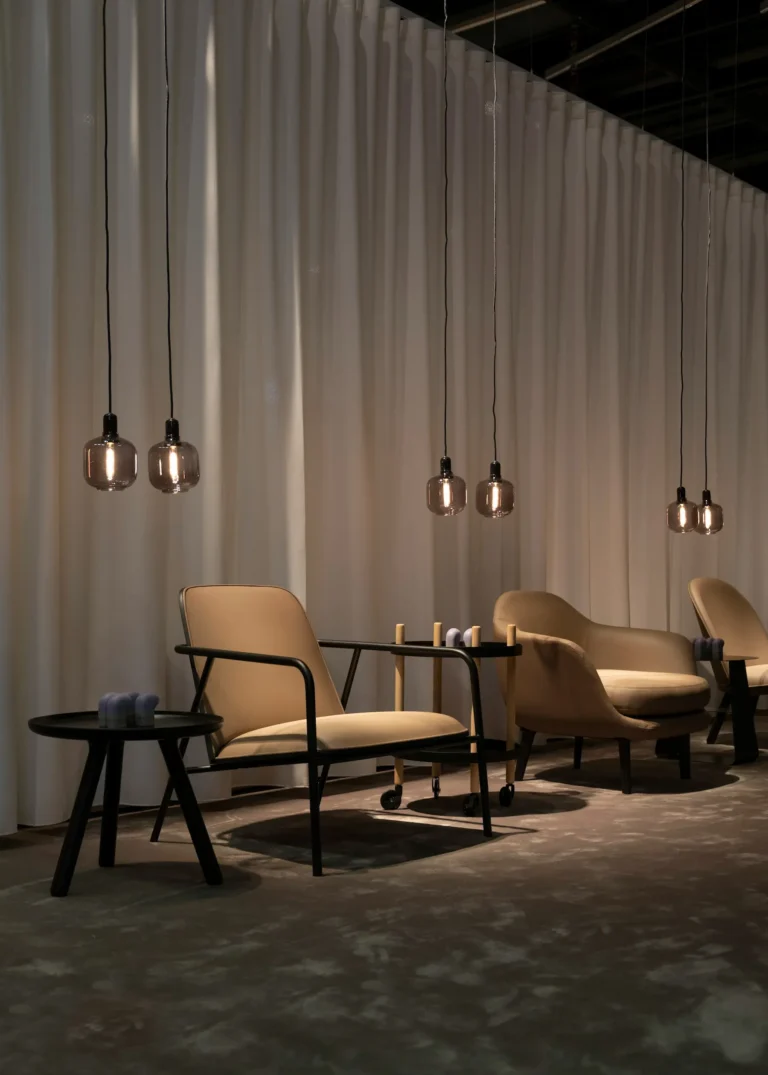
Lighting integrates both practicality and mood. Task lighting above kitchen counters enhances usability. Adjustable floor lamps provide focused illumination for reading. Ambient lighting softens atmosphere during evening hours. Flexibility defines function.
Technology integration must be seamless. Charging stations embedded discreetly. Smart lighting systems programmed for daily routine. Hidden cable management to maintain clean lines. Modern interiors acknowledge digital presence without allowing it to dominate visually.
Ergonomics contribute quietly to design success. Seating height aligned with comfort. Desk placement supporting posture. Kitchen layout minimizing unnecessary steps. Functional design anticipates physical interaction.
Color and style remain important. A functional home should not feel clinical. Warm tones, textured fabrics, and curated decor soften efficiency. Stylish solutions merge practicality with personality.
In compact urban homes, vertical space becomes opportunity. Wall mounted shelving maximizes storage. Lofted beds free floor area. Sliding doors replace swinging panels. Smart design expands perceived volume.
Sustainability intersects naturally with functional design. Investing in durable pieces reduces replacement frequency. Energy efficient appliances lower consumption. Natural ventilation reduces reliance on artificial climate control.
Outdoor integration enhances modern living. Balconies furnished with foldable seating extend usable space. Large windows connect interior to environment. Function extends beyond walls.
Importantly, functional design evolves with lifestyle changes. Furniture that reconfigures. Rooms that adapt to new roles. Flexibility ensures longevity.
Emotionally, a functional space reduces stress. Clear organization supports clarity of mind. Comfortable seating encourages relaxation. Logical layout prevents frustration.
Craftsmanship remains vital. Well constructed cabinetry glides smoothly. Hinges align precisely. Surfaces resist wear gracefully. Quality ensures function persists.
Ultimately, functional and stylish design solutions do not compete. They collaborate. When practicality aligns with aesthetic vision, interiors feel intentional rather than improvised.
Modern living demands adaptability, efficiency, and comfort. When design anticipates these needs elegantly, space becomes supportive rather than restrictive.
Function is not secondary to style. It is the architecture beneath it. And when that foundation is strong, beauty becomes sustainable, livable, and enduring.