A harmonious interior begins with structure. The architecture sets the framework for balance. Ceiling height, window placement, and spatial flow define rhythm before furniture is introduced. Understanding this framework prevents design from feeling imposed. Harmony respects the existing language of the space.
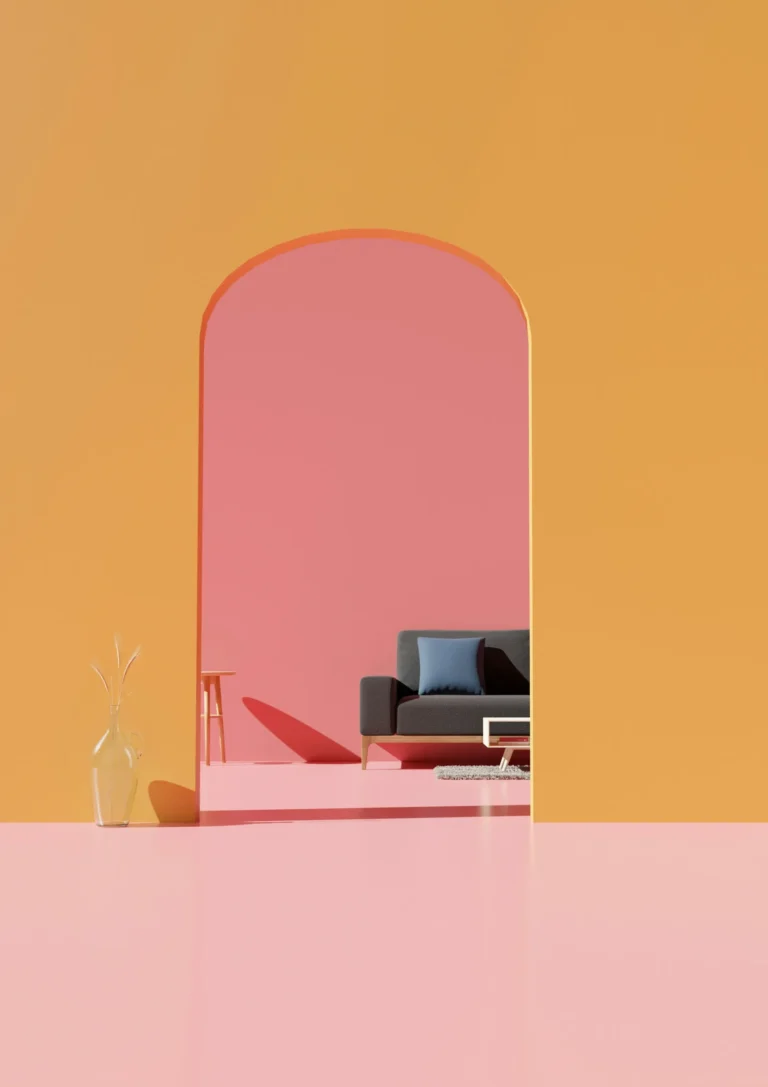
Color establishes emotional continuity. A cohesive palette creates visual flow from one room to another. This does not mean uniformity. Variation can exist within range. Soft neutrals anchored by deeper accents. Complementary tones that transition smoothly. When colors relate intentionally, the environment feels connected.
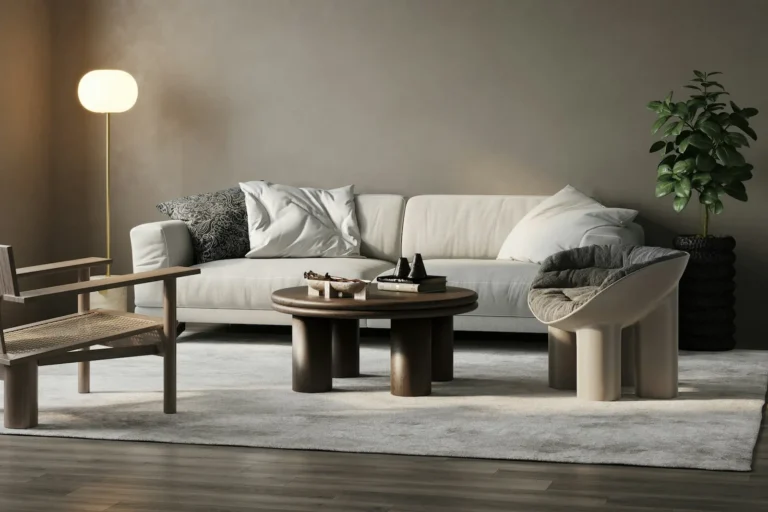
Material selection reinforces unity. Wood finishes repeated subtly across furniture and flooring. Metal accents echoed in lighting fixtures and hardware. Textile textures carried through upholstery and drapery. Repetition does not imply redundancy. It builds rhythm.
Proportion plays a defining role. Large rooms require furnishings scaled appropriately. Smaller spaces benefit from lighter silhouettes. When furniture relates proportionally to architecture, visual tension dissolves. The eye moves naturally.
Layout shapes experience. Seating arrangements encourage conversation without obstructing flow. Pathways remain clear. Focal points are defined intentionally. Harmony exists not only in appearance but in movement.
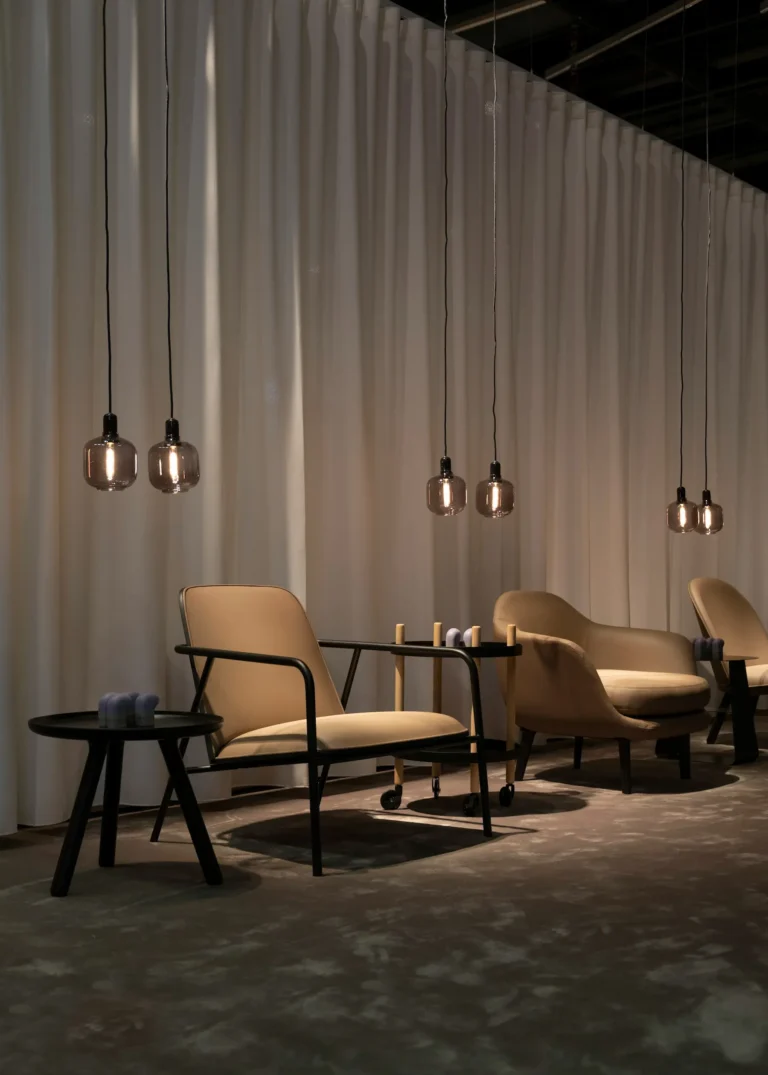
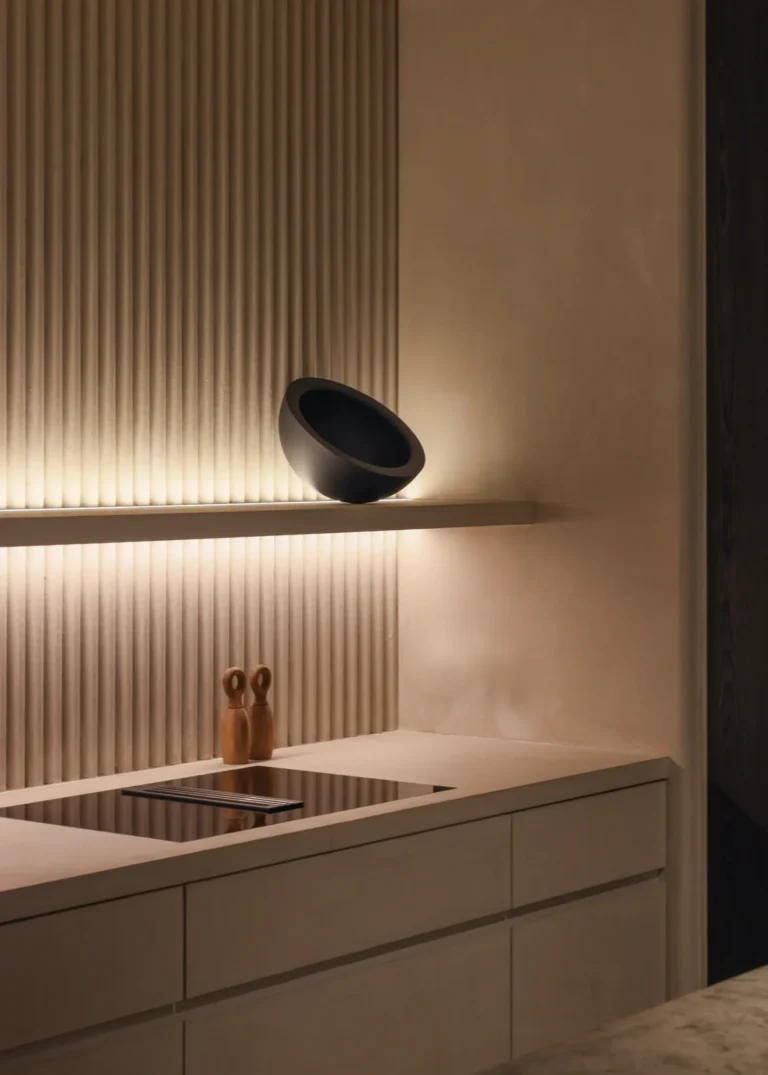
Lighting unifies mood. Layered illumination connects spaces through consistent warmth or tone. Ambient lighting establishes foundation. Task lighting supports function. Accent lighting highlights detail. Together, they create cohesive atmosphere.
Texture layering introduces subtle contrast while preserving unity. Smooth stone beside woven textiles. Matte finishes balanced by gentle sheen. These variations prevent flatness while maintaining coherence.
Decorative elements require restraint. Artwork positioned thoughtfully rather than scattered. Accessories curated rather than accumulated. Negative space remains intentional. When details align with overall composition, harmony strengthens.
Sound contributes quietly to unity. Soft surfaces absorb echo. Balanced materials prevent harsh acoustics. The environment feels calm not only visually but audibly.
Transition between rooms is critical. Flooring continuity enhances flow. Door frames and moldings provide visual link. Consistent hardware style reinforces connection. These transitions often determine whether a home feels cohesive or fragmented.
Harmony also depends on lifestyle alignment. Design must reflect how inhabitants live. Functional spaces integrated seamlessly into aesthetic vision prevent disruption. Storage concealed elegantly maintains order.
Sustainability aligns with harmonious design. Investing in timeless materials reduces visual turnover. Durable pieces maintain consistency over years. Repairing rather than replacing preserves unity.
Emotionally, harmonious interiors create ease. They reduce cognitive overload. Visual coherence allows relaxation. The space feels intentional rather than improvised.
Importantly, unity does not eliminate individuality. Personal objects can integrate through thoughtful placement. Color stories can evolve subtly over time. Harmony accommodates change without losing structure.
Craftsmanship underpins cohesion. Precision in alignment, seam, and finish ensures consistency. Poor execution disrupts unity instantly. Quality supports balance.
Ultimately, harmony is achieved through discipline. Editing, refining, repeating intentionally. When every detail converses with the next, design transcends decoration.
A harmonious interior feels inevitable rather than assembled. It carries rhythm, proportion, and continuity naturally. And in that quiet balance, unity becomes not a concept but a lived experience shaped carefully in every detail.