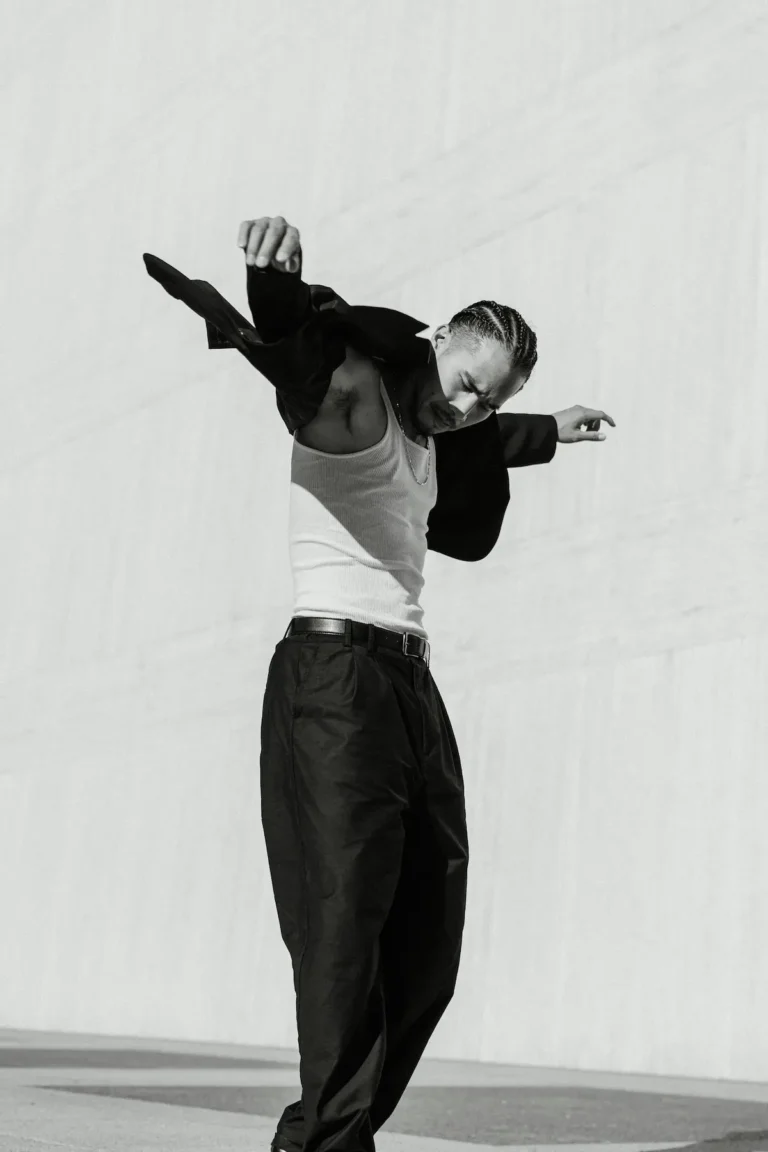
Silhouette defines the foundation. Relaxed tailoring paired with structured outerwear. Cropped trousers aligned with high profile footwear. Oversized coats layered over fitted basics. Proportion is dynamic in street chic. Volume meets precision. Fluidity meets edge.
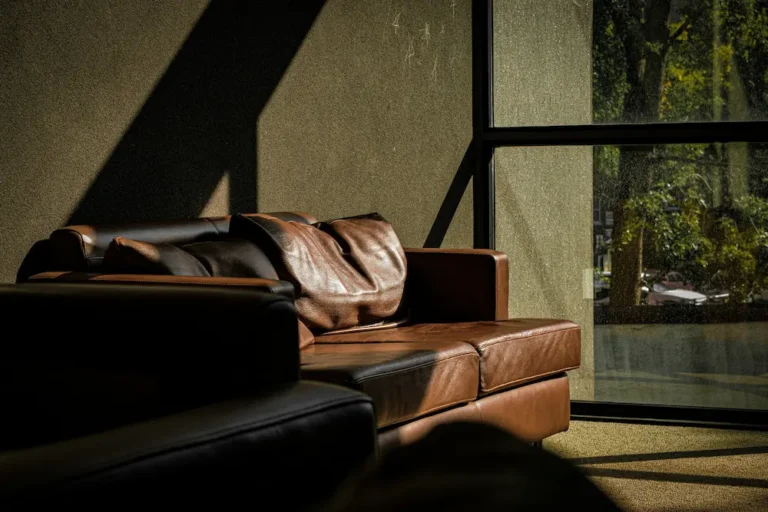
Fabric selection responds directly to environment. Durable denim resists daily friction. Technical fabrics shield against unpredictability. Leather adds texture and resilience. Knitwear softens architectural lines. Each material contributes to adaptability.
Layering becomes strategy rather than decoration. A lightweight hoodie beneath a sharp blazer. A trench layered over streetwear staples. These combinations allow flexibility. The city rarely remains constant. Neither should the wardrobe.
Color in urban fashion often reflects architecture. Charcoal, asphalt, muted neutrals. Yet bursts of color disrupt predictability. A bright sneaker against monochrome tailoring. A bold accessory cutting through minimalist layers. Contrast energizes the look without overwhelming it.
Street chic also values footwear as foundation. The right shoe anchors silhouette and communicates attitude. Sneakers introduce movement and approachability. Structured boots suggest authority. Even polished loafers can feel urban when paired unconventionally.
Movement defines authenticity. Urban fashion must flow with the body. A coat that sways with stride. Trousers that allow unrestricted pace. Bags positioned for ease. When clothing supports momentum, confidence follows.
There is cultural depth within street chic. It draws from subcultures, music, art, and community. Skate influence intersects with high fashion. Vintage references merge with contemporary tailoring. Street style evolves organically from lived experience rather than dictated runway instruction.
The urbanite navigates visibility differently. City life exposes and anonymizes simultaneously. Style becomes both shield and signature. Sunglasses frame presence. Structured layers create boundaries. Accessories personalize uniformity.
Modern technology further influences urban fashion. Smart fabrics, functional pockets, ergonomic design. City life demands efficiency. Street chic integrates these elements seamlessly.
Importantly, street chic is not chaotic. Its power lies in coherence. Even eclectic combinations share underlying balance. Proportion, color harmony, and texture alignment maintain refinement.
The urbanite understands that style is conversation with environment. Glass facades reflect silhouette. Concrete backdrops amplify texture. Night lights transform fabric sheen. Street fashion interacts with surroundings dynamically.
Sustainability increasingly shapes urban wardrobes. Durable investment pieces replace disposable trends. Vintage integration reduces waste. Circular fashion aligns with metropolitan awareness.
Ultimately, street chic embodies duality. It is polished yet relaxed. Structured yet fluid. Individual yet contextual. The urbanite does not simply follow trends. They interpret them through environment.
In a city defined by motion, fashion must evolve constantly. Street chic captures that evolution. It balances practicality with aesthetic clarity. It transforms everyday navigation into curated expression.
Urban style is not costume. It is adaptation shaped by rhythm, architecture, and community. And in that adaptive coherence, the urbanite crafts identity that feels both current and enduring.